
Alumni at the Table
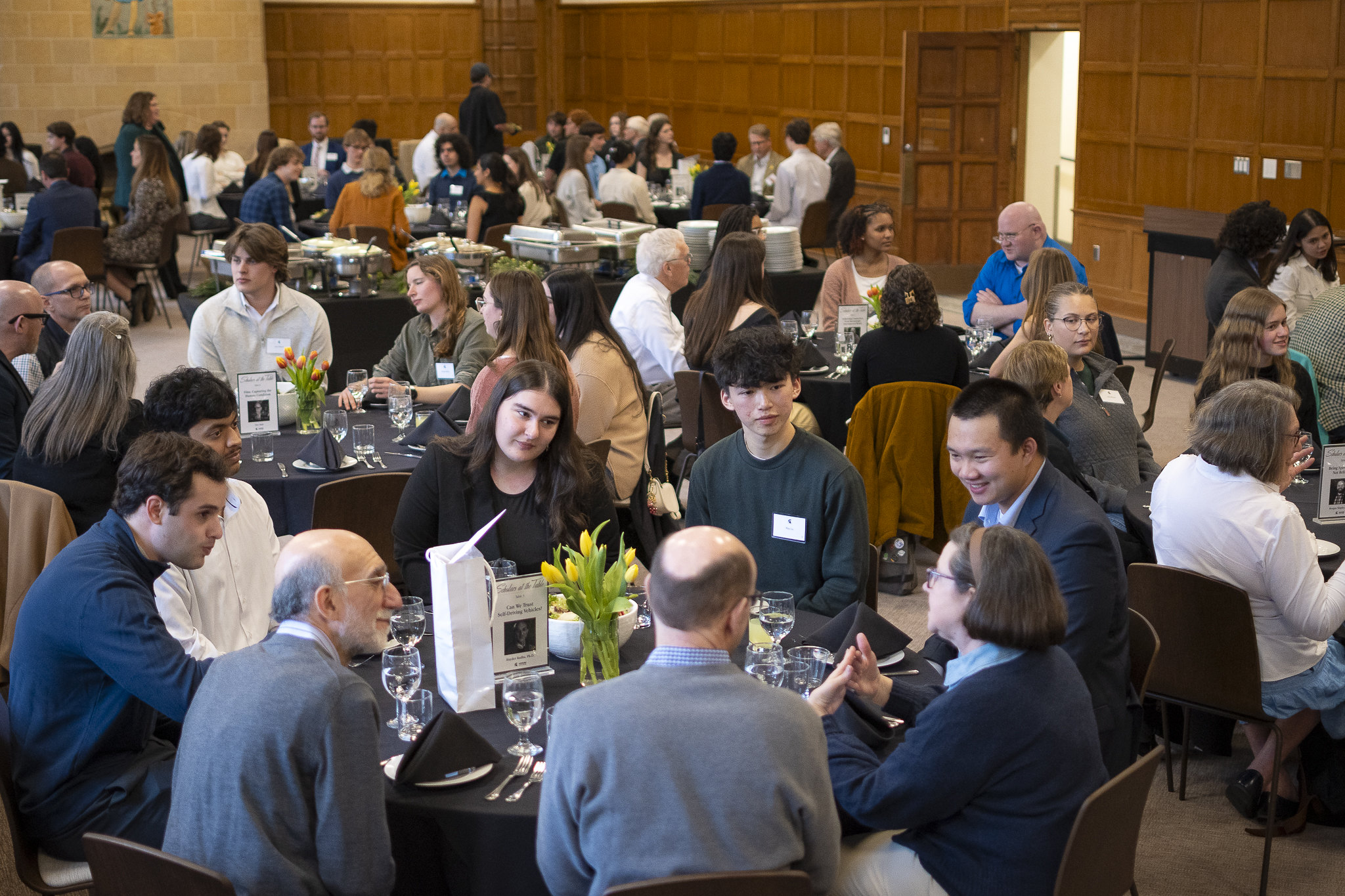
Reserve your seat at the table to celebrate 70 years of the Honors College through thought-provoking discussions, fresh perspectives, and meaningful connections. Alumni at the Table features roundtable discussions exploring topics such as medical entrepreneurship, news in the AI era, authenticity, and unique paths of impact.
Guests will have the opportunity to exchange ideas, ask questions, and connect with fellow Spartans and supporters.
Tickets are $35 each. RSVP by Friday, October 30 to join the conversation. A hotel block is also available for this event.
Details
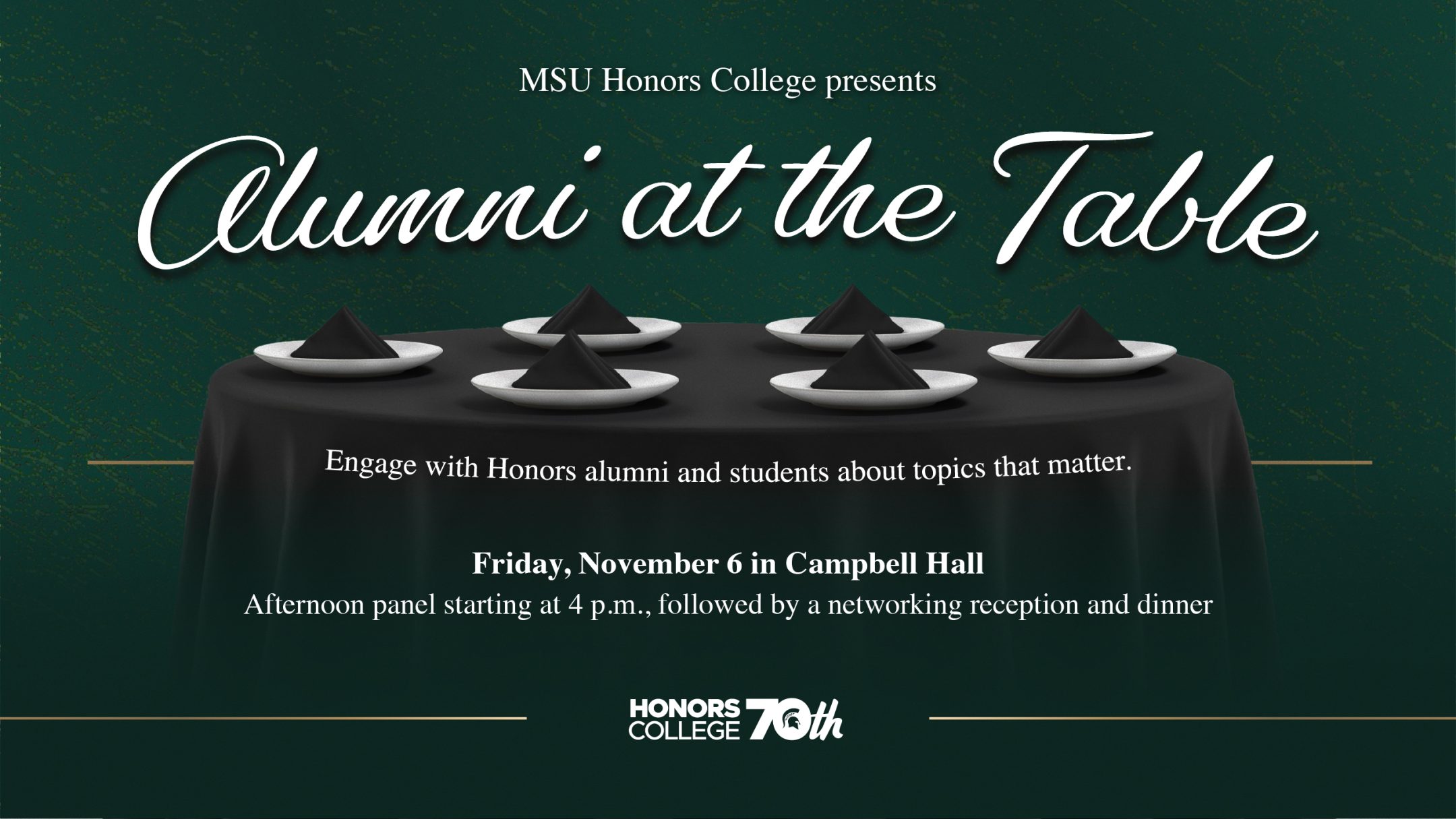
- Event Date: Friday, November 6, 2026
- Location: Porteous Grand Hall at Campbell Hall
- Address: 38 Abbot Road, East Lansing, Michigan, 48823
Schedule
- 4 p.m. – Speaker panels begin
- 6-7 p.m. – Dinner registration and reception
- 7-8:30 p.m. – Dinner
Contacts
Please direct questions on this event to Ryan Robinet at robine37@msu.edu and (517) 884-7594, or Kathryn Reed at kreed@msu.edu and (517) 884-7582.
2026 Table Topics
Preview some of the confirmed table hosts and their subjects of discussion. More topics coming soon.
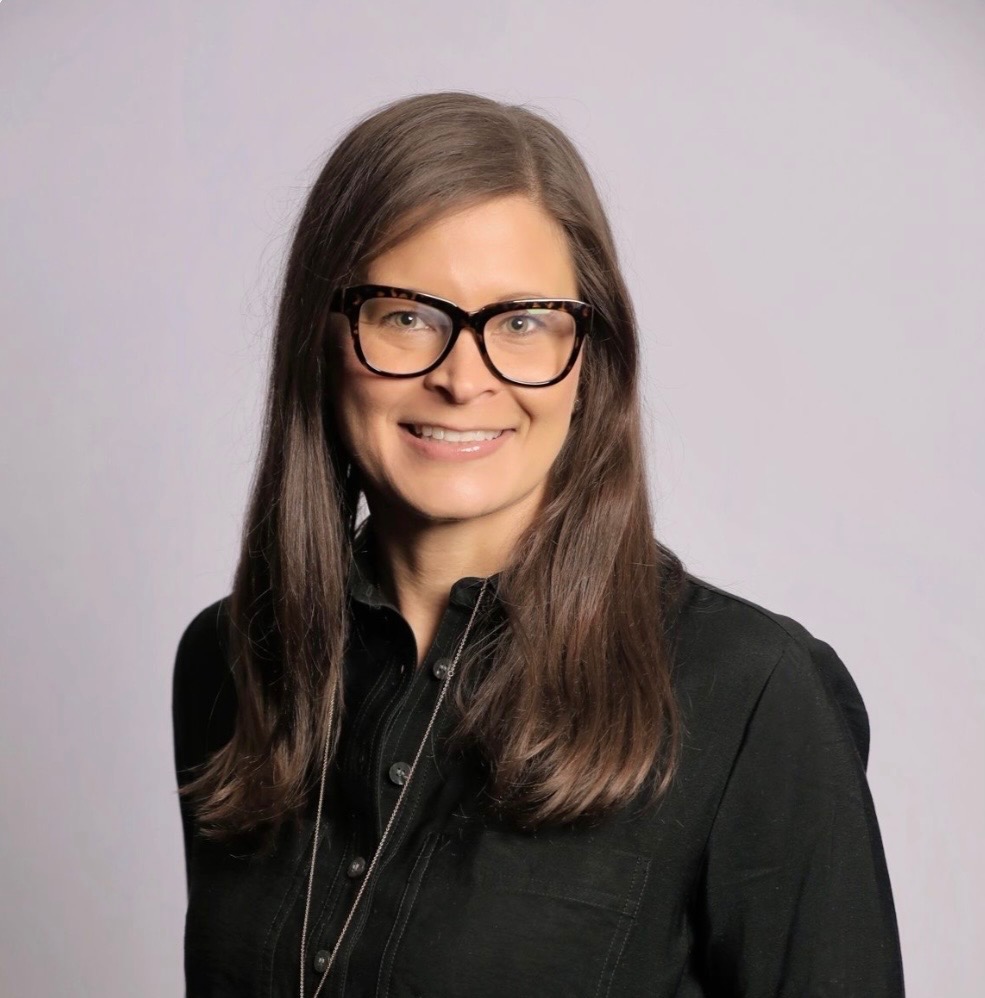 Jennifer Nichols graduated from the Honors College in 2003. She serves as executive vice president and general counsel of CRG, a national real estate development firm. With more than 20 years of legal experience counseling corporate clients on all aspects of real estate, corporate, tax, and commercial matters, together with her business background, Nichols brings a unique perspective to each project.
She has also held positions with the Saginaw Chippewa Indian Tribe of Michigan and Warner Norcross & Judd LLP. Nichols has bachelor’s degrees in finance and Spanish from MSU, a J.D. from Boston College Law School, a master’s of science in taxation from Grand Valley State University, and an MBA from Northwestern’s Kellogg School of Management.
Nichols has been admitted to state bars in Oregon, Michigan, and Illinois.
Table Topic: Authenticity Isn’t a Personality, It’s a Practice
Description: Authenticity at work isn’t a fixed trait you either have or don’t – it’s a discipline you practice differently depending on where you sit in an organization.
As a student or early-career professional, it often looks like asking honest questions, admitting what you don’t know, and forming your own judgment instead of just mirroring what’s rewarded around you. As you take on more responsibility, managing others and then eventually leading, authenticity shifts from being about self-expression to being about consistency: making sure your values hold up even when a decision is costly, unpopular, or made when no one’s watching.
The through-line at every level is the same: staying recognizably yourself under pressure builds the trust that later becomes the foundation of real leadership. This conversation will unpack what that practice actually looks like at each stage, so participants can start building or strengthening the habit.
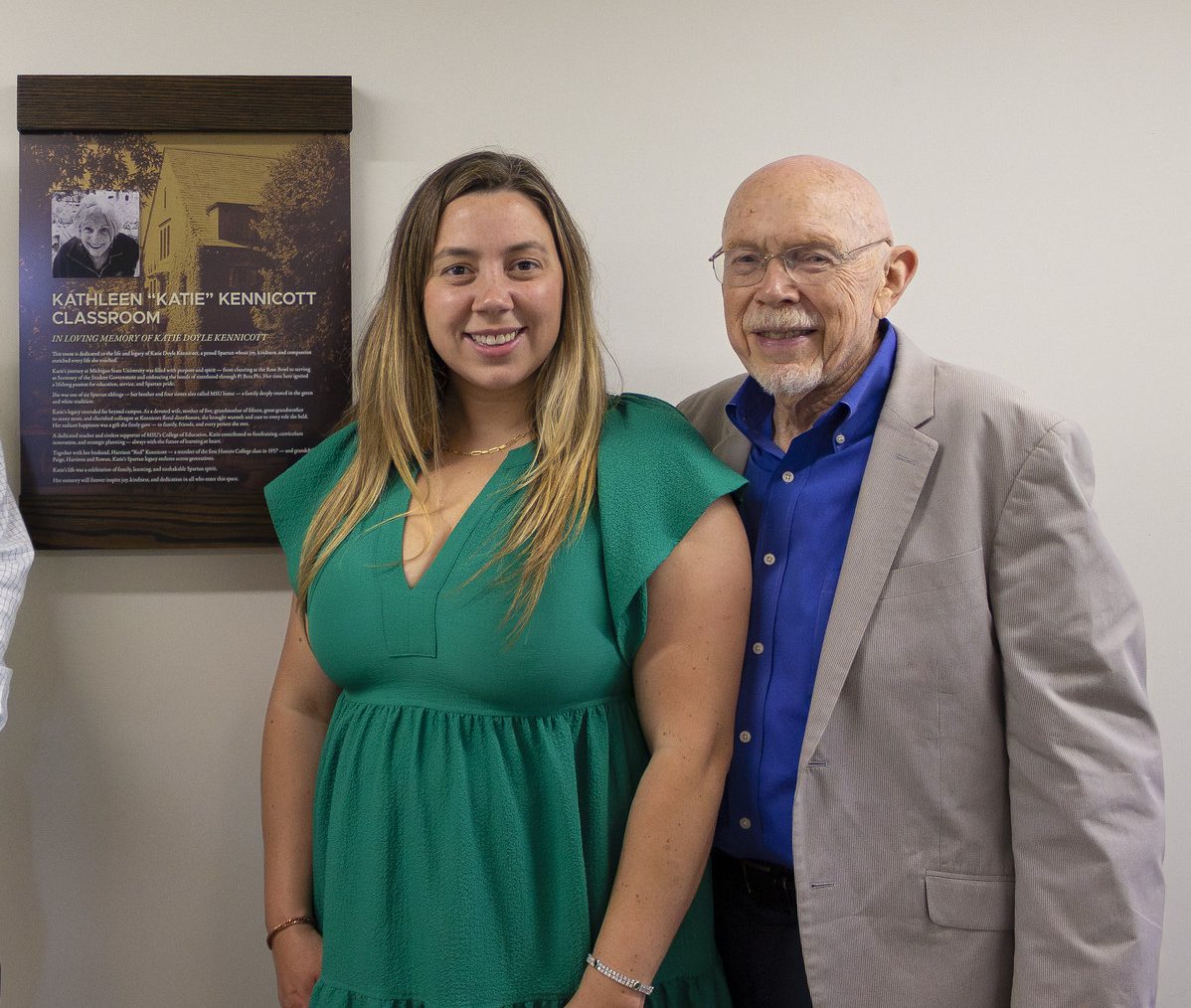 Paige Kennicott Jacques graduated from the Honors College and MSU in 2013 with a degree in business management. Since then she worked for the family cut flower business, Kennicott Kuts.
Jacques began at the farm level managing daily operations, fulfilling orders, and preparing shipments. In 2018, she took over sales for all six farm locations. Since then she has worked closely with her father and grandfather, focusing on products that set them apart from the global competition.
Harrison “Red” Kennicott III was part of the first Honors College cohort, graduating from MSU in 1959 with dual degrees in business and floriculture, a combination that would shape his career. For Kennicott, flowers have never been simply a business. They are a family legacy.
He began working in the family business at age 12, weeding peonies at The Grove and spending Saturdays at Kennicott Brothers, the wholesale floral company his family founded in 1881. After briefly attending law school and serving in the U.S. Army, he returned to Kennicott Brothers full-time in the early 1960s. When his father partially retired, Kenicott took over leadership of the company, guiding it through growth, expansion, and technological change. Today he serves as chairman and remains its oldest employee-owner.
Kennicott was inducted into the Society of American Florists Floriculture Hall of Fame in 2010 and the Great Lakes Floral Association Hall of Fame in 2013. In 2026, he received the CalFlowers Distinguished Service Award. Through it all, his philosophy has stayed simple: “People and personal relationships are what the flower business is all about.”
Table Topic: Family Business Succession and Transition Over 9 Generations
Description: This table will take a look at a family business that has been growing and selling cut flowers since 1836, examining how the business evolved and transitioned over 190 years across nine generations.
As the global economy developed and the wholesale business expanded, succession planning became a center point of focus. Kennicott Brothers began transitioning into an employee-owned company in 1992. What started as a local market business has blossomed into a wholesale floral distribution operation in Chicago, with multiple branches importing flowers from six continents.
The cut flower farm, Kennicott Kuts, has evolved into multiple farms focused on field grown flowers and ornamentals.
How does a family business strategize for growth, adapt to global and economic changes, and plan for succession? This table will explore these topics and more from a family rooted in flowers and Spartan spirit.
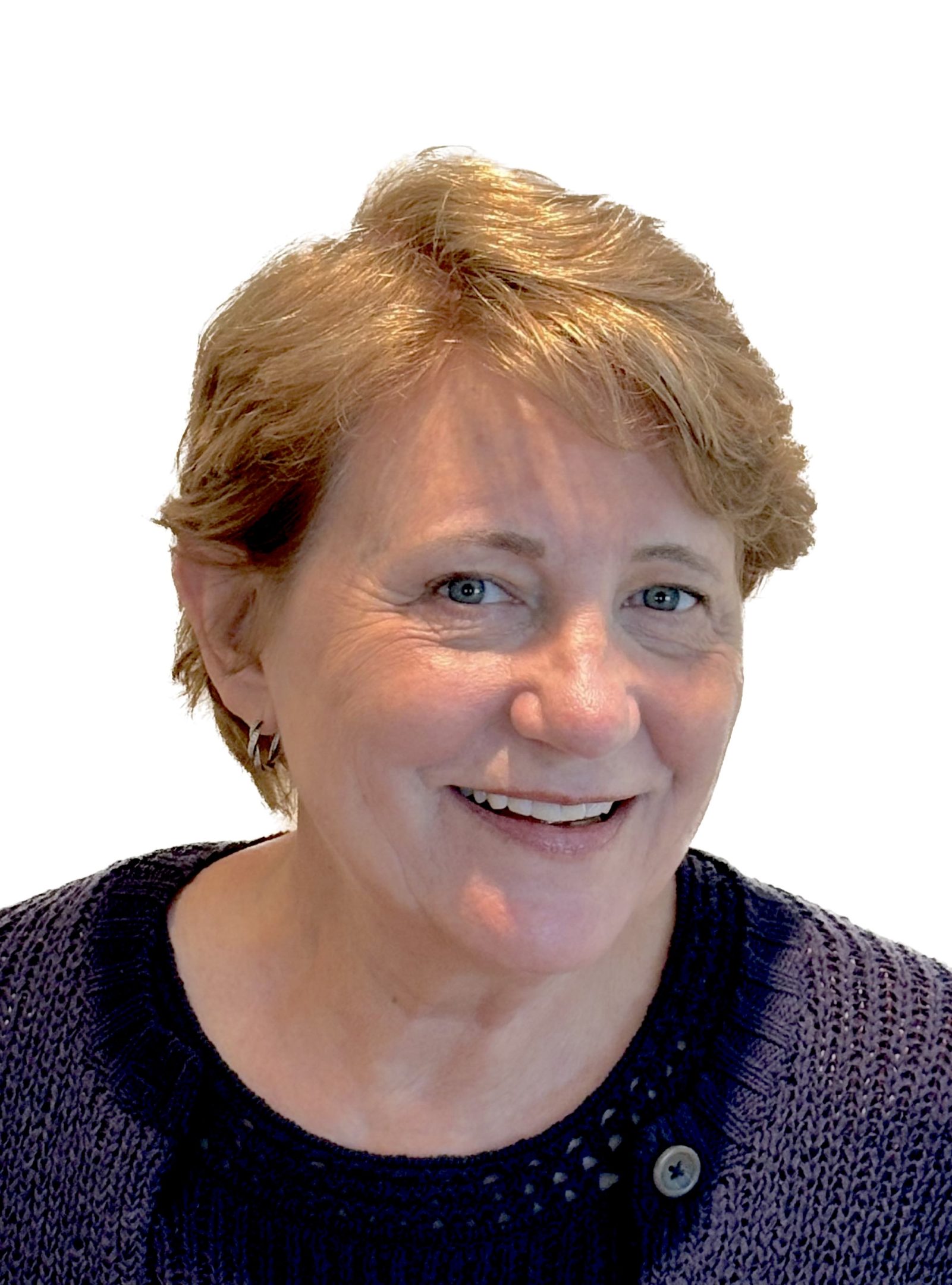 Michele L. Gerber, M.D., MPH, graduated from Lyman Briggs and the Honors College at Michigan State University in 1981. She earned her M.D. and trained as a rheumatologist at the University of Michigan Medical Center. With more than 30 years of experience in immunology, inflammation, and drug development across academia, biotech, and pharma, she is now the founder and CEO of Equinox Bio., where she uses cutting-edge research in immunology to develop innovative therapies for patients with autoimmune diseases.
Table Topic: From Hippocrates to VCs: Exploring Medical Entrepreneurship
Description: What is the path when a physician goes from asking, ‘How can I treat this patient?’ to ‘How can I improve the way this disease is treated?’
This table explores how to maintain a patient-first focus when traveling from Hippocrates to venture capital. What will the next generation of medical entrepreneurs look like?
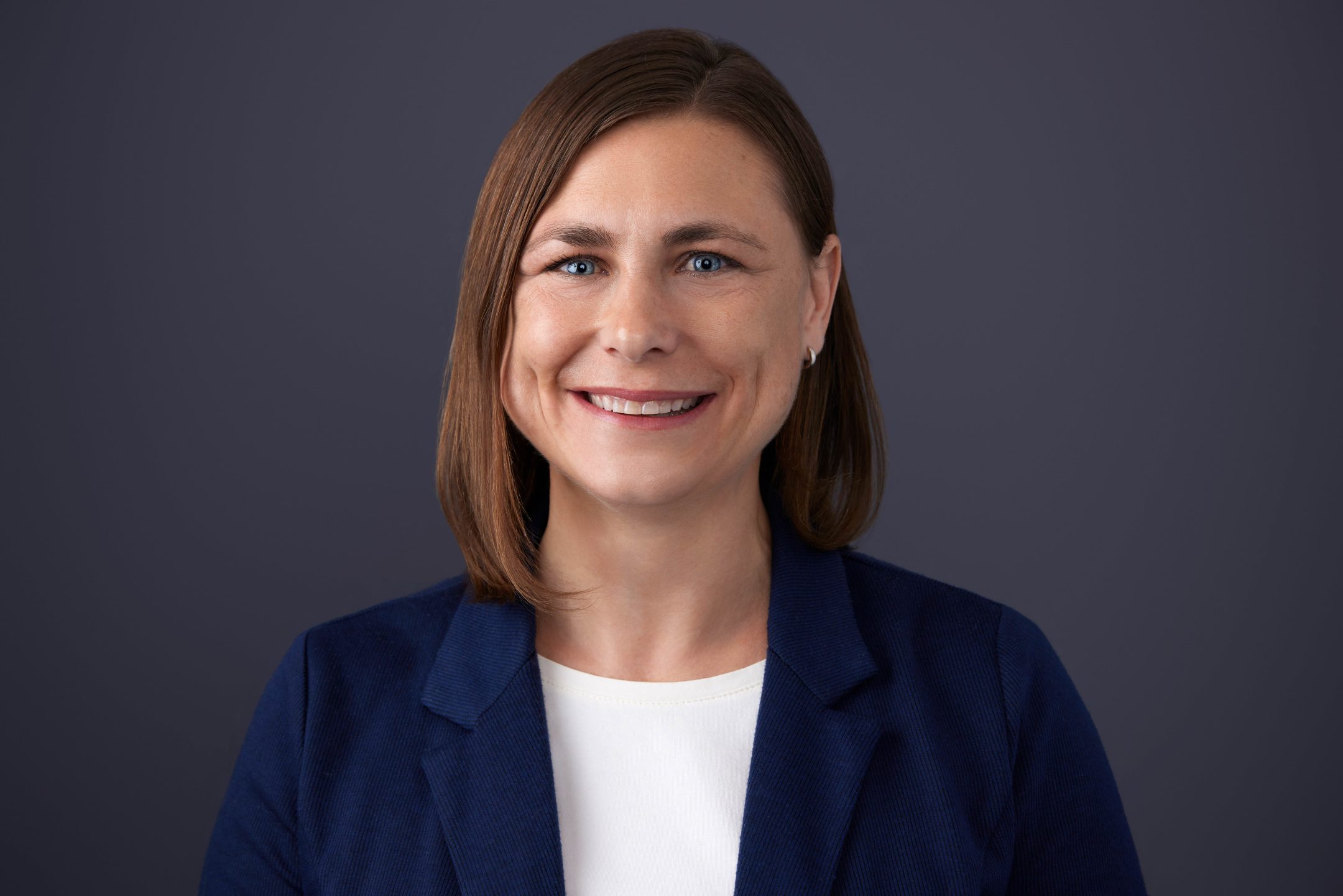 Dru Montri is vice president of agri food engagement at Feeding America, where she leads work to increase access to produce, protein, and dairy for people facing hunger. Montri has amassed nearly two decades in food, agriculture, and nonprofit leadership, which have included serving as the founding executive director of the Michigan Farmers Market Association; leadership roles at MSU and in state government; and current membership on the board for the Mid-Michigan Chapter of the American Red Cross.
An MSU Honors College alumna, Montri holds bachelor’s and doctoral degrees from MSU, and a master’s degree from Penn State.
Table Topic: Mission Plus Action: Why Nonprofits Matter
Description: Nonprofit organizations play an important role in bringing together government, businesses, community leaders, philanthropists, donors, and individuals to address some of society’s most pressing needs.
This conversation will explore how nonprofits identify needs, mobilize resources, deliver essential services, and build partnerships across sectors. The table will discuss what makes the nonprofit model distinct, why it matters, and how these organizations can help communities respond and adapt in an increasingly complex world.
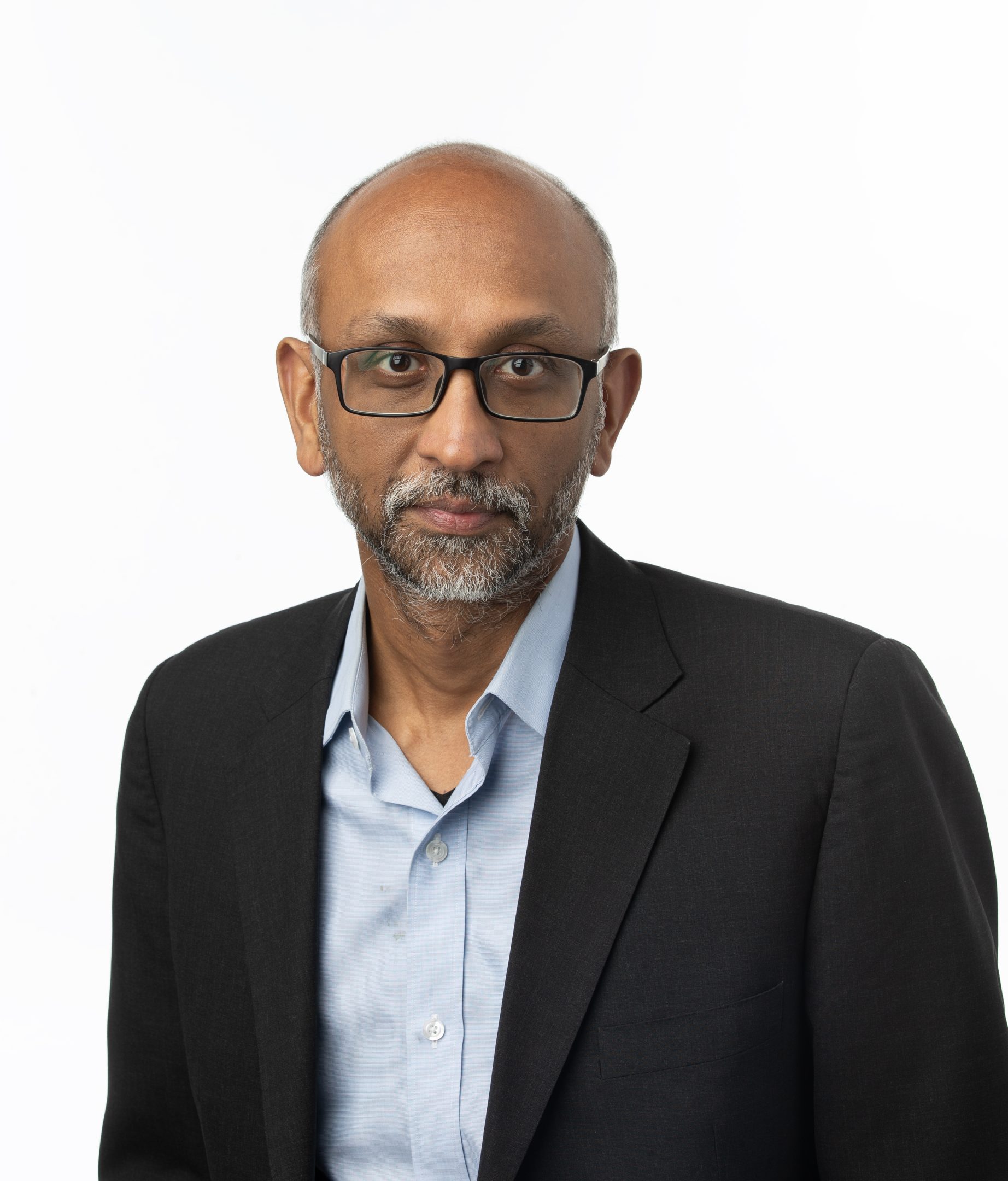 Vikas Bajaj graduated from the Honors College and Michigan State University with a journalism degree in 1981. He is currently the energy and transportation editor for the business section of The New York Times, where he has spent the last 21 years in various writing and editing roles. Previously, Bajaj was a reporter at The Dallas Morning News.
Table Topic: News in the AI Era
Table Description: A lot of people are turning to artificial intelligence to look up information, including news. How should journalists and news organizations respond? What should universities and schools do, if anything, to better inform young people about using AI in this way? Should universities and schools be responsible for sharing best practices on staying informed about the world around us?
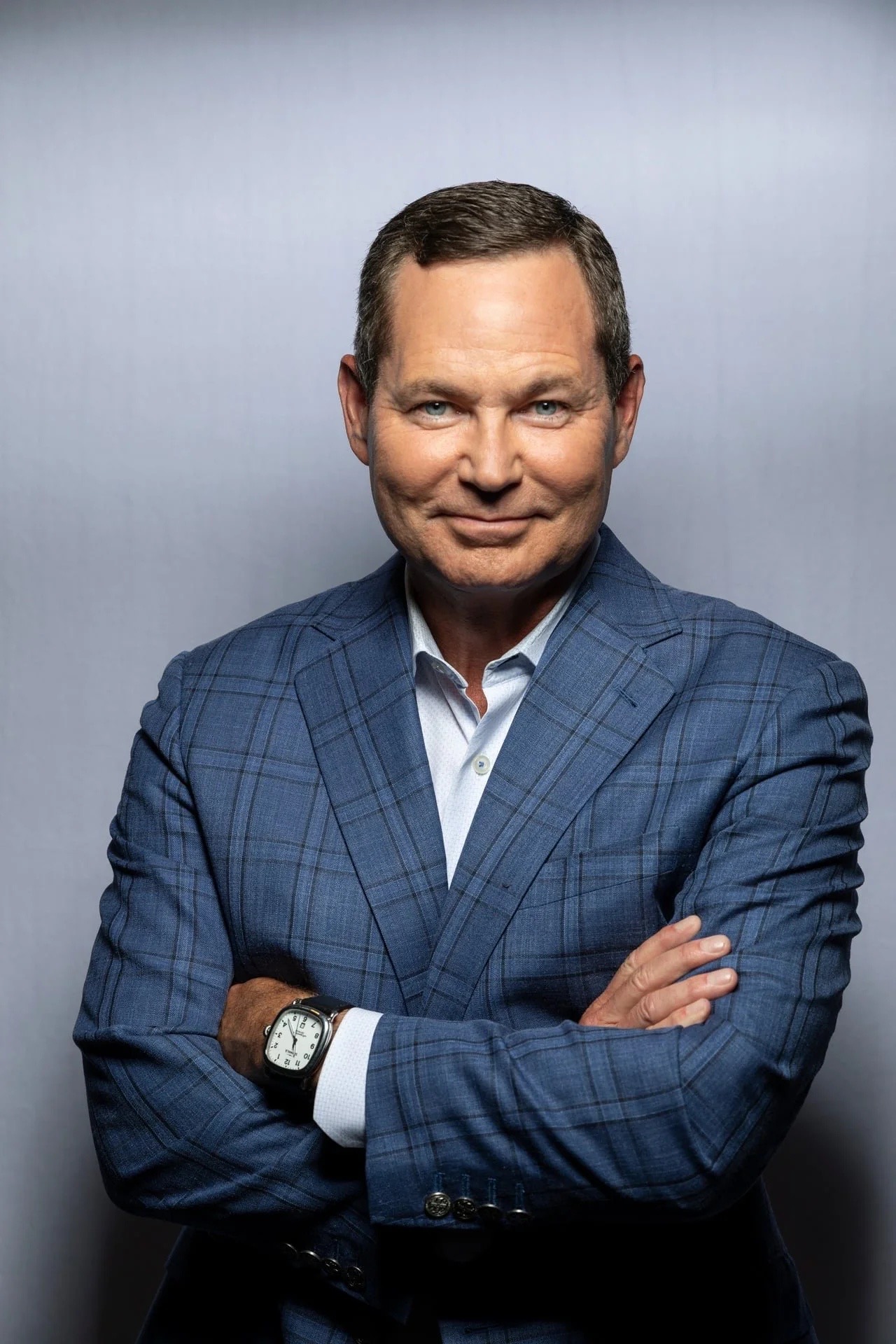 Matt Elliott is co-chair of MSU’s Green and White Council and founder of Blue Lake Ideas. He advises CEOs, leadership teams, and boards on corporate transformation, growth, and capital structure. In his forthcoming book, “Overloaded: Recapturing Leadership Capacity with the Power of &,” he argues that capacity is the defining leadership constraint of our time.
Drawing from research and his own executive experience as a market president at Bank of America, his frameworks equip leaders with tools to thrive in the always-on AI era.
Table Topic: Tension or Problem? Why the Distinction Matters
Description: In a world of accelerating change, the pressure to deliver results today and transform for tomorrow is rapidly increasing.
When Elliot works with a CEO on a new project, they often start by deciding which issues are problems to solve and which are tensions to manage. Both exist in the modern AI era, but tensions are often overlooked.
Sometimes the need arises to manage conflicting priorities: performance and people, speed and quality, execution today and investment for tomorrow. Neglecting either side could eventually cause failure. For success, it’s time to manage the tension over time rather than force a false choice. This table will talk about the “&s” we need to manage.
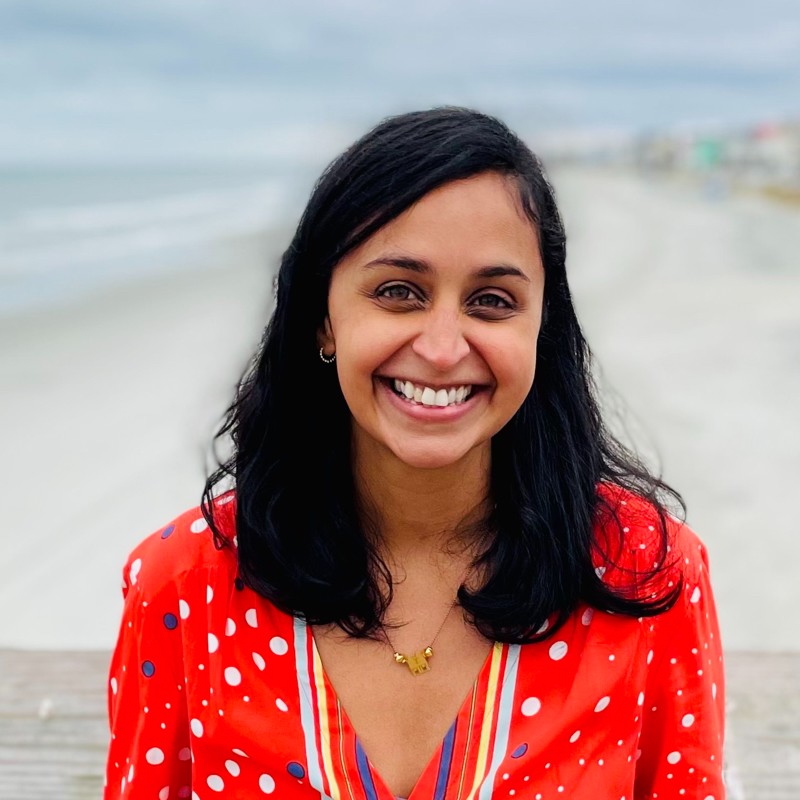 Varsha Monick is a vice president and general manager at Georgia Pacific, leading beloved household brands including Brawny and Sparkle paper towels, Vanity Fair napkins, and Kraft paper.
Monick’s experience spans profit and loss management of a $1B+ portfolio; Big 4 consulting; leading capabilities like marketing, product management, and customer experience; and driving innovation in products and services. She is a proud mother of two wonderful boys and serves on the executive board of the National Domestic Violence Hotline.
Table Topic: The Simplicity Illusion: The Hidden Complexity of Making Everyday Staples
Description: The things that feel simplest are often the products of complex thinking.
This table will discuss the hidden systems, tradeoffs, and decisions behind products and services that appear obvious in hindsight. Participants will dive into innovation across industries, from commoditized goods where value is created through arbitrage, optimization, and tiny advantages, to building equity across products and services.
Participants will explore how small decisions compound at scale, and why making something truly simple is rarely simple at all.
 Sara Dolan is the chief financial officer of Michigan State University Federal Credit Union (MSUFCU) and CFO of The Reseda Group, MSUFCU’s wholly owned credit union service organization. Since joining MSUFCU in 2005 and becoming CFO in 2013, Dolan has played a key role in the organization’s growth, helping triple its asset size.
A recognized industry leader, she received the 2022 Outstanding Service Award from the Credit Union National Association Finance Council and was named Michigan Credit Union League’s 2017 Credit Union Professional of the Year. Dolan serves on multiple boards, including Delta Dental of Michigan and Lansing Regional Chamber of Commerce. She holds a bachelor’s degree in accounting from Michigan State University and an MBA from Western Michigan University. Dolan is an active community volunteer and proud Spartan.
Table Topic: The Trust Dividend: Business Beyond the Bottom Line
Description: What does an organization owe the people who trust it, and can doing the right thing create long-term business value? Businesses influence far more than financial outcomes. They shape opportunities, communities, careers, and people’s lives.
This conversation will explore the intersection of trust, purpose, leadership, and performance, including the difficult choices organizations face when the interests of customers, employees, communities, and investors don’t perfectly align. In an era of AI, rapid change, and growing skepticism of institutions, what makes an organization worthy of trust? And can trust itself become one of the most valuable forms of capital a leader can build?
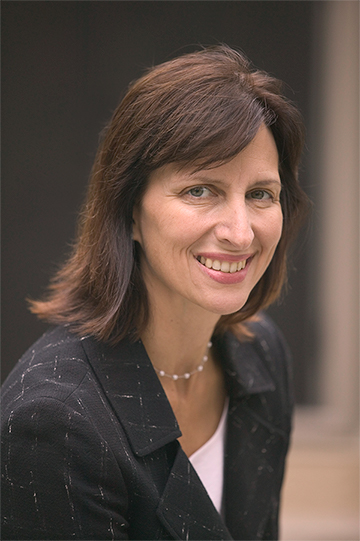 Christi Rager Wise is a leader in product innovation, digital transformation, and customer experience who has spent her career exploring how technology can improve people’s lives, particularly in health and wellness. Wise’s career has taken her from leadership roles at Fidelity and Aon to healthcare startups through MATTER to her own innovation consultancy, Strategy to Reality.
With a background spanning design, psychology, technology, and business, Christi is passionate about staying curious, embracing new opportunities, and helping others discover that there is no single path to a meaningful and successful career.
Table Topic: What Lights You Up? Finding Your Path to Impact
Description: You’ve probably heard the career advice to look for the intersection of what interests you, what you’re good at, what the world needs, and (eventually) what you can get paid to do. But when there are so many possibilities, how do you figure out which direction is right for you? One approach is to pay attention to the moments when you feel especially energized, curious, or excited by an opportunity.
In Wise’s career, she discovered her biggest “light-up” moments often came when she could explore something that hadn’t been done before, solve a meaningful problem, and have an impact on people or the world.
This table will explore what lights you up. How do you define impact? Where do you see opportunities to make a difference? And how might you recognize, pursue, and measure the impact you want to have?
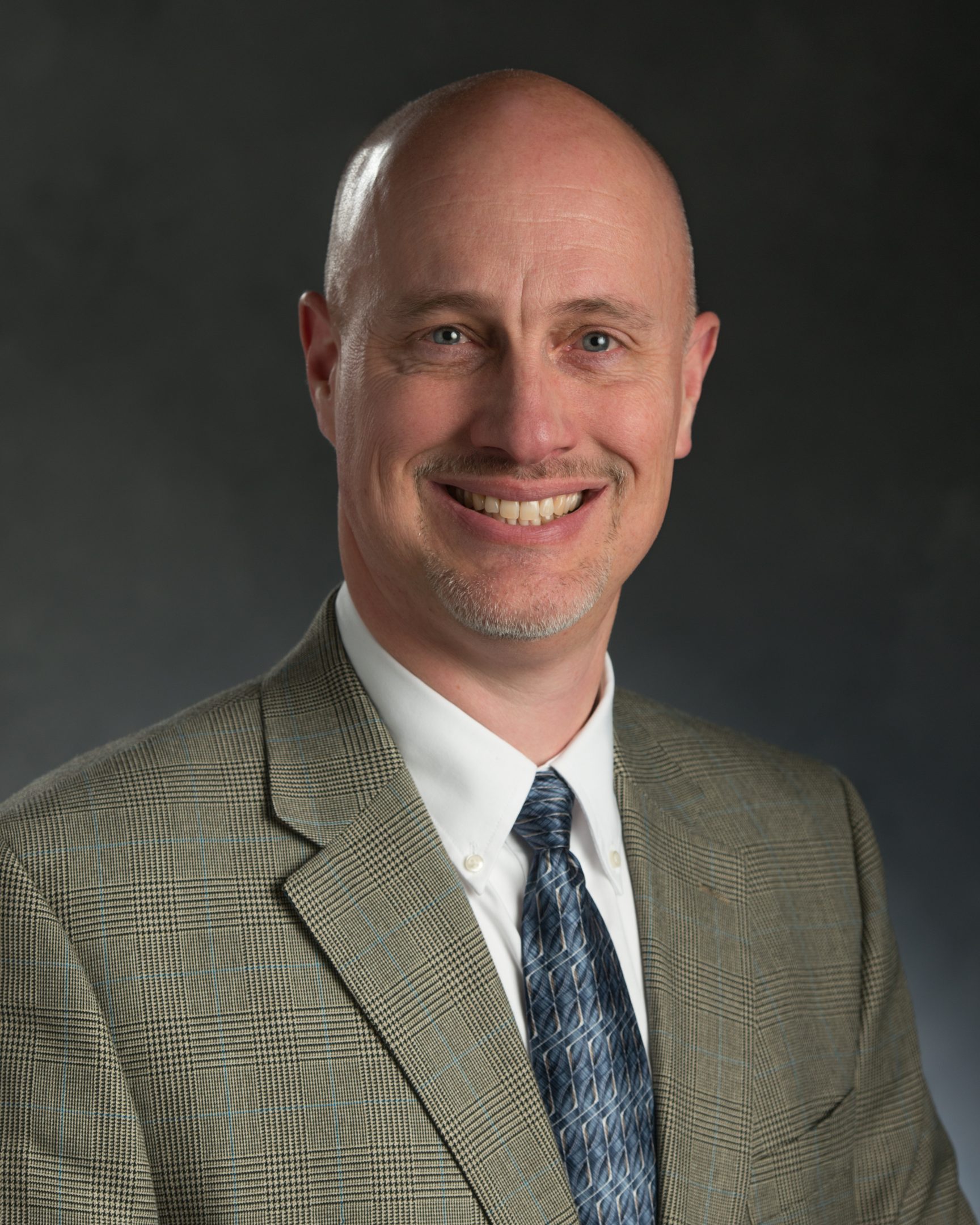 Bradley Marks, Ph.D., P.E., is a 1989 MSU Honors College graduate and current chair of the MSU Department of Biosystems and Agricultural Engineering. An international food safety expert, and award-winning educator, he has over 30 years of experience leading transdisciplinary teams working on solutions to ensure the microbiological safety of ready-to-eat foods.
His recent work and passion includes a focus on how food safety decisions are made by and affect different populations, such as individual consumers (e.g., immunocompromised cancer patients) and food manufacturing corporations.
Table Topic: Who Is Responsible for My Food? Considering Food Choices, Safety, Quality, Nutrition, Healthfulness, and Cost
Description: News headlines, media streams, and the marketplace are full of food jargon, much of which is not well-defined, such as: ultra-processed, artificial, organic, natural, vegan, raw, local, comfort, probiotic, fermented, high-protein, gluten-free, best-if-used-by, country-of-origin, recalls, outbreaks, Salmonella, E. coli, and Cyclospora.
Recalls and outbreaks of foodborne illness, such as cyclosporiasis, have been major news stories in recent months. Consumers’ understanding of food safety and healthfulness is evolving, even as scientists seek answers and solutions to persistent challenges in these domains.
This table discussion will focus on topics around food choices, trust, and responsibility. Questions will include: What motivates food producers, regulatory agencies, and consumers to make choices about food? How do we perceive risk, and how are our decisions influenced by those perceptions? Who is responsible for the safety and quality of the food we eat?