
Scholars at the Table
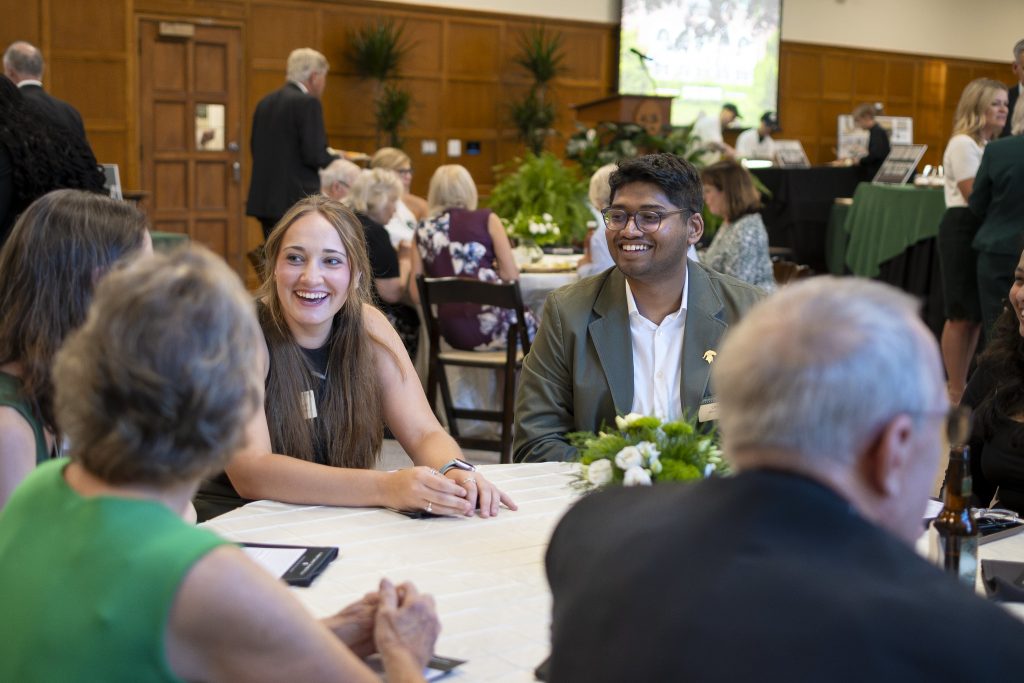
This inaugural event is a roundtable experience around topics that matter. Participants will leave the evening intellectually energized.
Scholars at the Table, hosted by the Honors College, is a dynamic dinner experience that brings alumni and students together with some of Michigan State University’s most engaging faculty minds. At each table, an esteemed faculty expert will spark conversation around a compelling topic – from emerging research to pressing societal questions.
This is not a series of simultaneous lectures. It’s a shared exchange. Guests are invited to ask questions, offer perspectives, and connect their own experiences to a respectful discussion.
Registration is Live
The first annual Scholars at the Table dinner is happening Friday, April 10, 2026 from 6-8 p.m. at Porteous Grand Hall in Campbell Hall, the Honors College’s living-learning community.
A hotel block is available for out-of-town guests. You are encouraged to book lodging and register early for this pilot event, as capacity is limited. The cost to attend is $100 per person.
Please direct questions on Scholars at the Table to Kathryn Reed at kreed@msu.edu or (517) 884-7582.
Table Topics
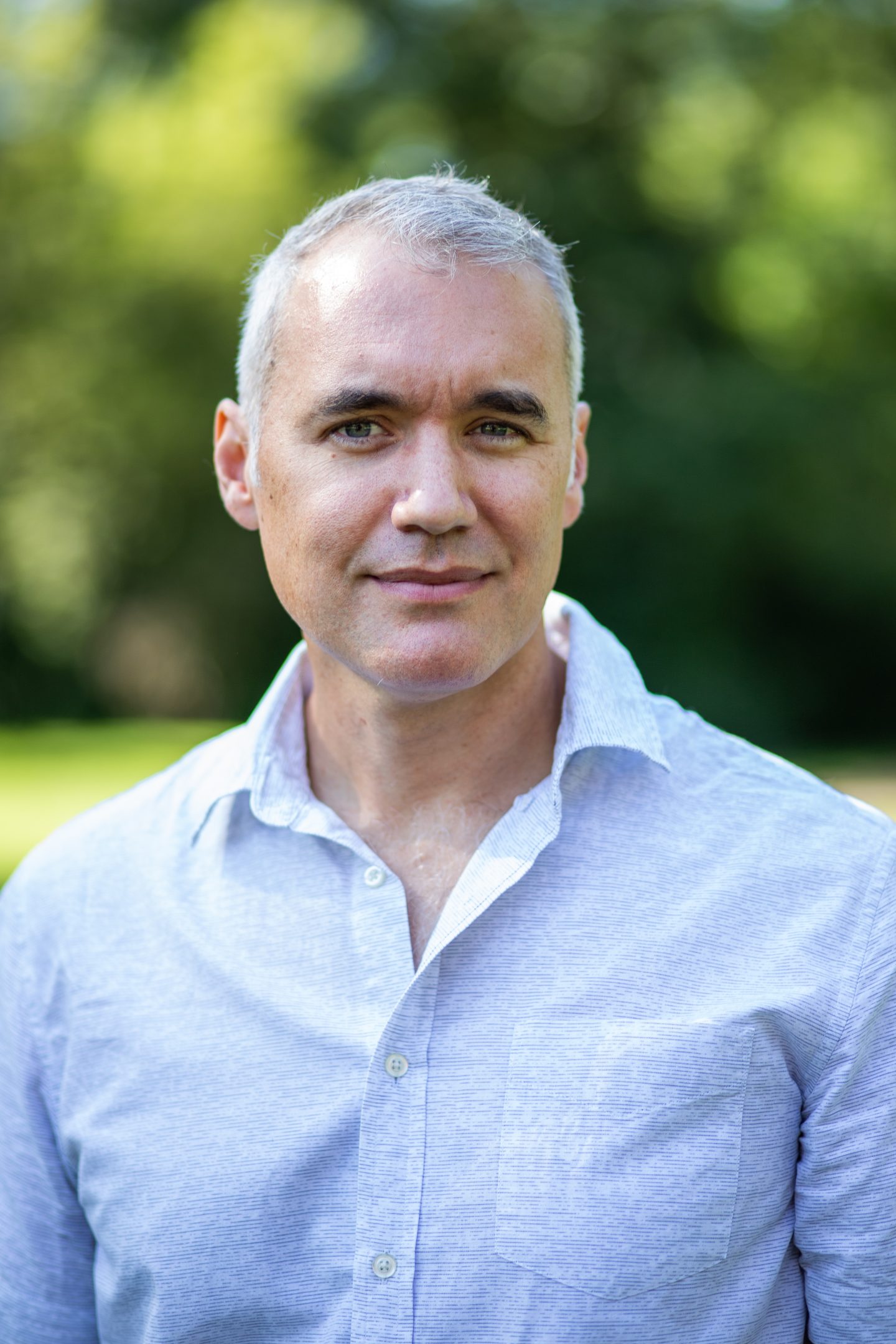 Doug Bessette, Ph.D., is an associate professor for energy systems in the Department of Community Sustainability. He primarily studies how large energy infrastructure like wind and solar farms, and recently data centers, get sited and permitted, and how communities interact with, are affected by, and often organize to oppose such infrastructure.
Table Topic: Are data centers a net negative? The unavoidable and potentially catastrophic impacts of artificial intelligence (AI) and hyperscale data-center development.
Description: AI is unavoidable these days. From the majority of commercials during the Super Bowl, to large-language models like Chat GPT and Microsoft Copilot, to pop-up chat bots intended to help you search for new jeans or summarize a news story.
While few (if any) asked for these systems to be developed or deployed, the cloud computing and storage necessary to prop them up requires a historic build-out of “hyperscale” data centers. These data centers are enormous server-farms requiring a thousand megawatts of electricity to operate and vast amounts of water to cool. Already two hyperscale data centers have been proposed in Michigan, one in Saline and one in Howell. Both led to significant and enduring local opposition. Such opposition was, but shouldn’t have been, surprising. The resources necessary to build and operate these data centers and their impacts both on the local community and human civilization more broadly are significant and largely unsustainable.
We’ll have a meaningful discussion about the tradeoffs associated with the continued development of both generative AI and the resource-intensive data centers necessary to support it. How do we square the negative energy, environmental, social, and cognitive impacts with the potential (or propaganda) of generative AI?
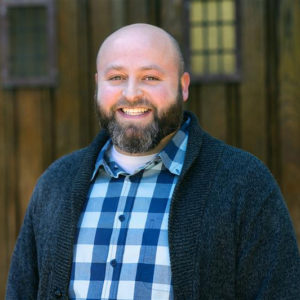 Morgan Shipley, Ph.D., is the inaugural Foglio Endowed Chair of Spirituality and associate chair for undergraduate studies in the Department of Religious Studies at MSU. His scholarly career focuses on spirituality, new religious movements in the U.S., and the challenge of religious pluralism, with a primary interest in representations of religion in popular culture.
Table Topic: Being Spiritual But Not Religious
Description: This table topic invites participants to explore what it means to be spiritual but not religious in today’s world.
The table will consider how spirituality is being reimagined beyond traditional institutions and how questions of meaning, purpose, belonging, and well-being continue to shape our lives.
Rather than debating definitions, participants will reflect on lived experiences and emerging practices that expand how we understand the sacred, connection, and human flourishing.
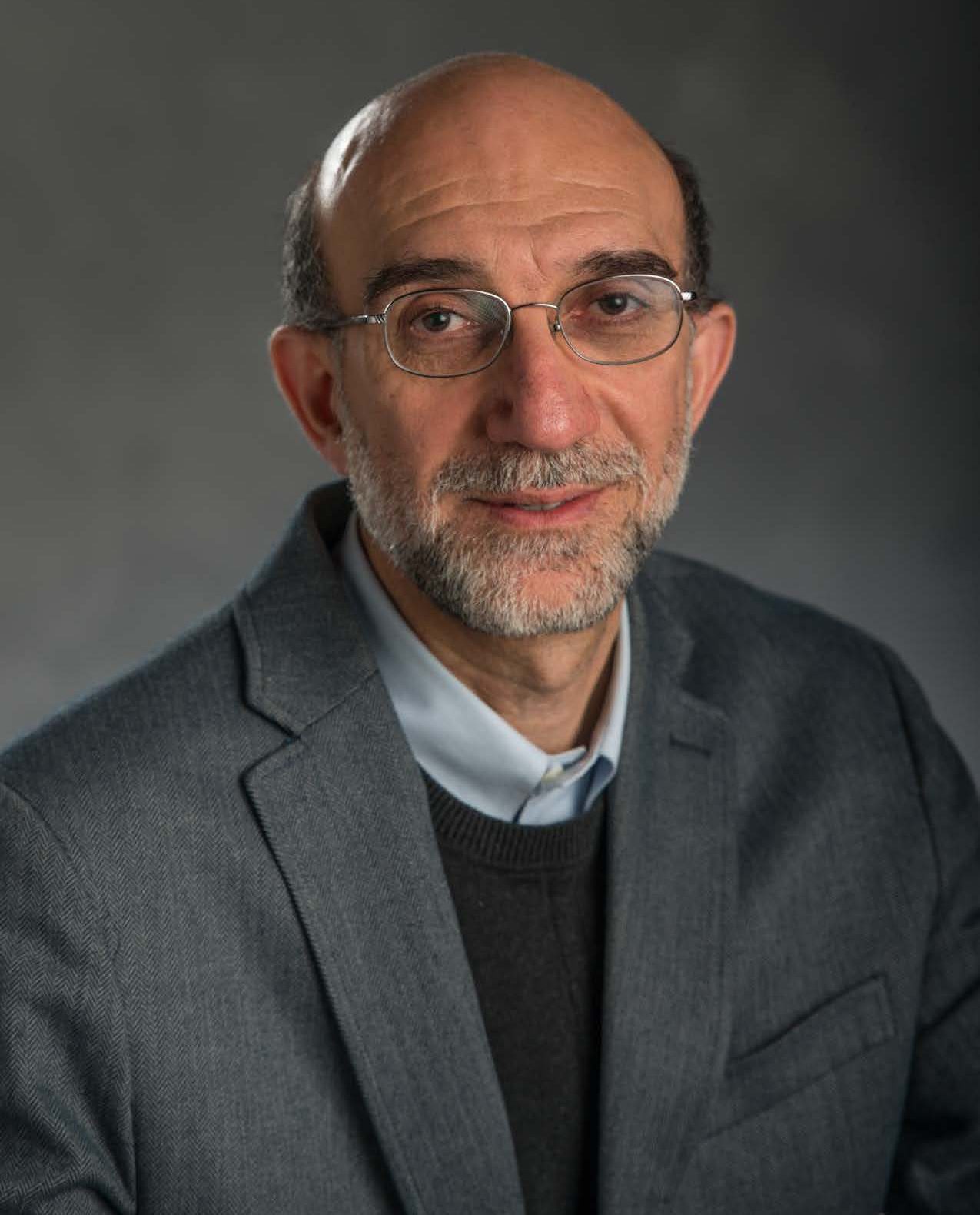 MSU Foundation Distinguished Professor Hayder Radha, Ph.D., works in the Department of Electrical and Computer Engineering. He is also the director of the university’s Connected and Autonomous Networked-Vehicles for Active Safety (CANVAS) research program.
Table Topic: Can we trust self-driving vehicles? Yes, no, or maybe!
Description: Autonomous driving is arguably the most disruptive technology for human mobility in more than a century. Major high-tech companies including Google, Amazon, Tesla, and many others are developing advanced autonomous vehicles to support self-driving taxi (or robotaxi) services that are already deployed or are planned to be deployed in big markets around the U.S. and abroad.
Self-driving cars, in general, and robotaxi cars in particular are being advertised by the companies that are developing them as a safer option than human-driven vehicles. Is the safety record of self-driving vehicles truly better than human drivers’ safety records? What are the underlying technology solutions that can provide higher levels of safety guarantees for this emerging mobility area? Are these technology solutions mature enough for deployment now?
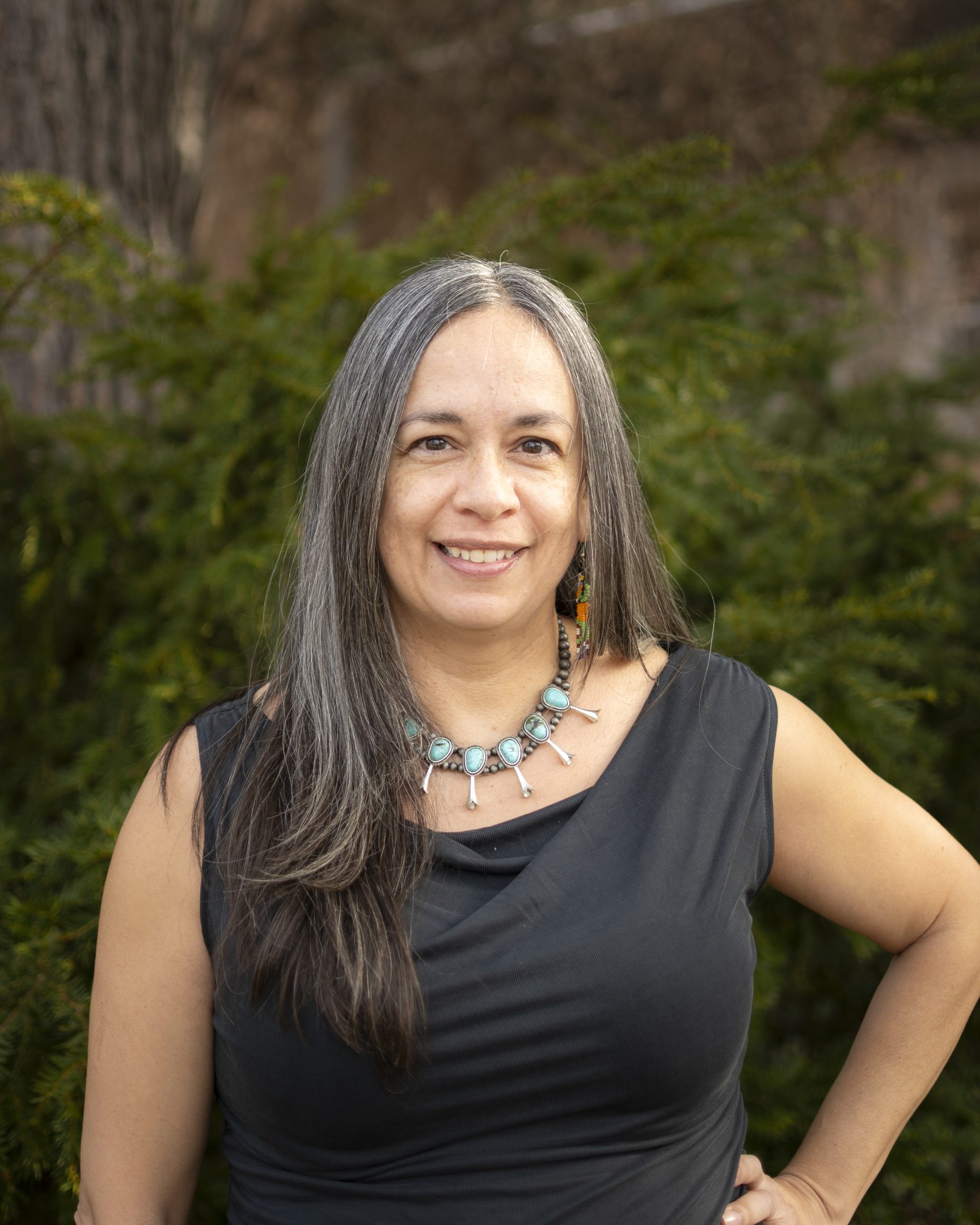
Teresa Dunn is a Mexican American artist originally from rural southern Illinois. Her identity, life, and art are influenced by her dual racial and cultural heritages. Dunn’s recent paintings celebrate the many ways Black and Brown people, immigrants, and those with multicultural heritages are connected to each other whether by family, friendship, mentorship, and shared or parallel authentic experiences.
Table Topic: Embracing My Identity in Turbulent Times
Description: This will include a reflection on the complex nature of your own identity and how it intersects with shared or parallel experiences of other people – either in or outside of your own racial or cultural community – who have been historically marginalized by this country. We’ll identify one or two internal tensions we experience related to core aspects of ourselves that we embrace as positive but have been characterized culturally as negative. How have we understood these complexities or contradictions? How do they influence our personal evolution, academic life, and/or professional development and goals?
We’ll have the opportunity to share specific situations, books, movies, songs, poems, or other notable moments that have helped us define, shape, and embrace our identities, despite or because of these turbulent times.
“What creative activity would you do to further explore your own sense of self and belonging?”
Bill Chopik, Ph.D., (he/his/him) is an associate professor in the Department of Psychology at MSU. He studies how close relationships – and the people in them – change over time and across situations. Chopik’s work examines phenomena as broad as how relationships and social institutions shape development, and as focused as the mechanisms that underlie the link between close relationships and health.
In 2017, Chopik was recognized as one of Forbes Magazine’s Top 30 Scientists Under 30 and has since been recognized as a rising star by the Association for Psychological Science.
Table Topic:Enhancing Connection in an Increasingly Disconnected World
Description: We’ll explore why so many people feel lonely or disconnected despite being more “connected” than ever before. The conversation will examine how modern life – busy schedules, social media, remote work, political stress, and rapid technological change – shapes how we form and maintain relationships.
Participants will discuss what actually helps people feel closer to others, drawing on research, lived experience, and emerging tools like digital communities and AI companions, while also acknowledging their limits. Rather than offering quick fixes, this discussion will focus on practical, realistic ways to support meaningful connections across different stages of life and for people with different needs, personalities, and circumstances.
Troy Hale is a 33-time Emmy Award winner who has been nominated over 65 times for his work as a documentary filmmaker and television journalist. Hale was inducted into the Michigan Emmy Hall of Fame (Silver Circle) in 2024.
This MSU professor has worked as a filmmaker, director, writer, reporter, host, investigative journalist, photojournalist, editor, radio DJ, lighting designer, audio operator, live truck operator, drummer and guitarist.
Table Topic: Film: Capturing the Human Condition
Description: Film has only existed for 131 years. Movies, television, Netflix, and TikTok are a huge part of our lives, but the moving picture is a VERY young art form. The first photograph was taken 199 years ago on July 5, 1826.
Humans have been on the earth for 300,000 years. Only a small percentage of humans (0.00067%) have ever had their photo taken. That is incredible. What does it mean to have this unique record of who we are, at this moment, preserved for future humans?
More information coming soon.
Matthew Pauly, Ph.D., is a historian of Ukraine, Eastern Europe, and Russia. He wrote the book “Breaking the Tongue: Language, Education, and Power in Soviet Ukraine, 1923-1934”.
Table Topic: The Historical Roots of Russia’s War Against Ukraine
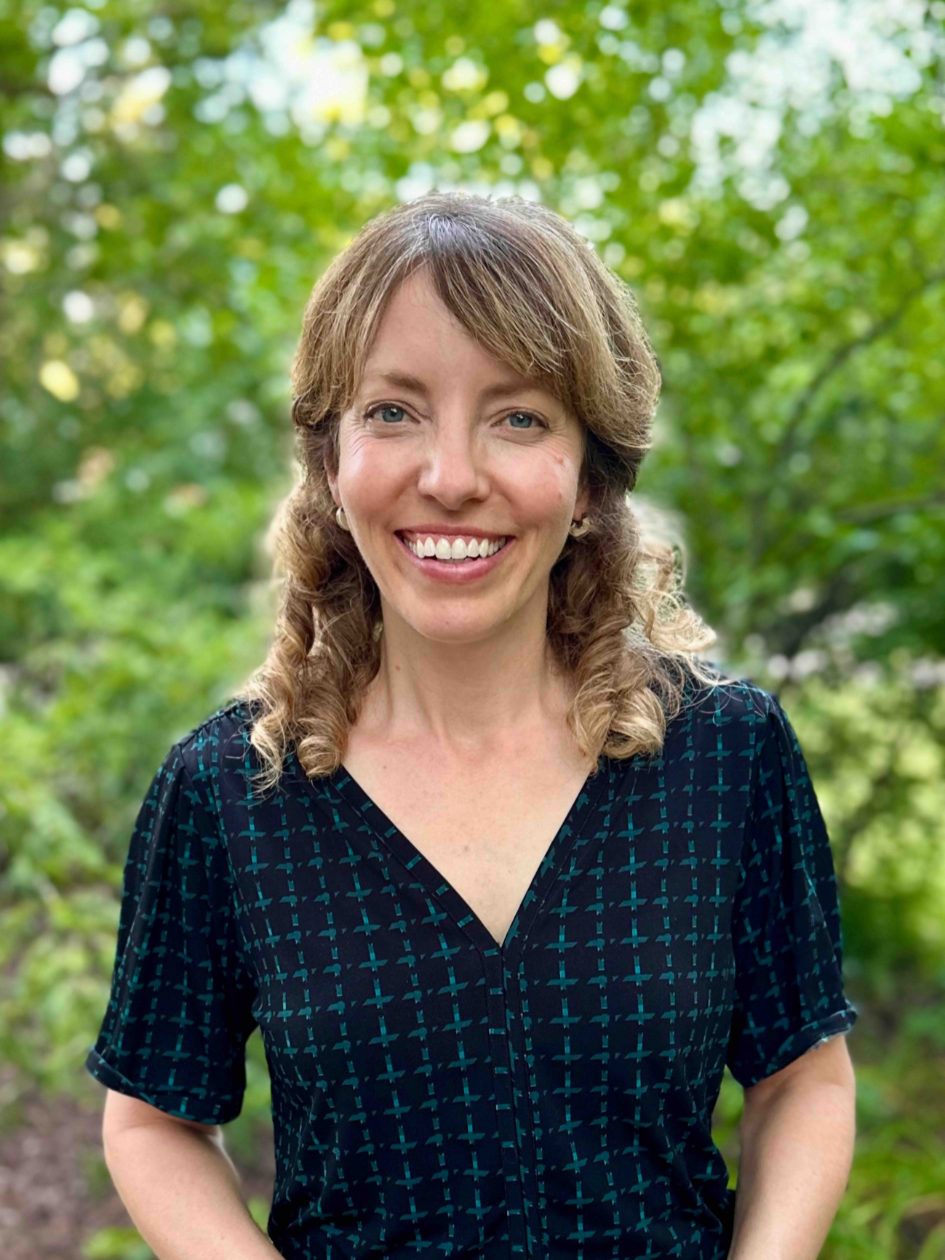 Helen Zoe Veit, Ph.D., is an associate professor of history who specializes in American food in the 19th and 20th centuries. Her most recent book is “Picky: How American Children Became the Fussiest Eaters in History” (St. Martin’s Press, 2026).
Table Topic: How American Children Became the Fussiest Eaters in History
Description: Are children naturally picky? It sure seems that way. Yet, amazingly, pickiness used to be almost nonexistent. Well into the 20th century, Americans saw children as joyful omnivores who were naturally curious and eager to eat.
Of course, this doesn’t make sense today. Don’t kids have special taste buds? Aren’t they highly sensitive to food’s texture and color? Aren’t children incapable of liking “adult foods,” and don’t parents risk harming kids psychologically by urging them to eat? But Americans in the past didn’t think any of those things. They assumed that children could enjoy the same foods as adults, and children almost always did. They loved spicy relishes, vinegary pickles, and bitter greens. They spent their allowances on raw oysters and looked forward to their daily coffee.
So how did modern kids become such incredibly narrow eaters? The story is fascinating – and about much more than rising abundance. This table will discuss how fussy eating came to define “children’s food” and reshape American diets at large – and also how we can still use the tools that parents used in the past to raise happy, healthy, wildly unpicky kids today.
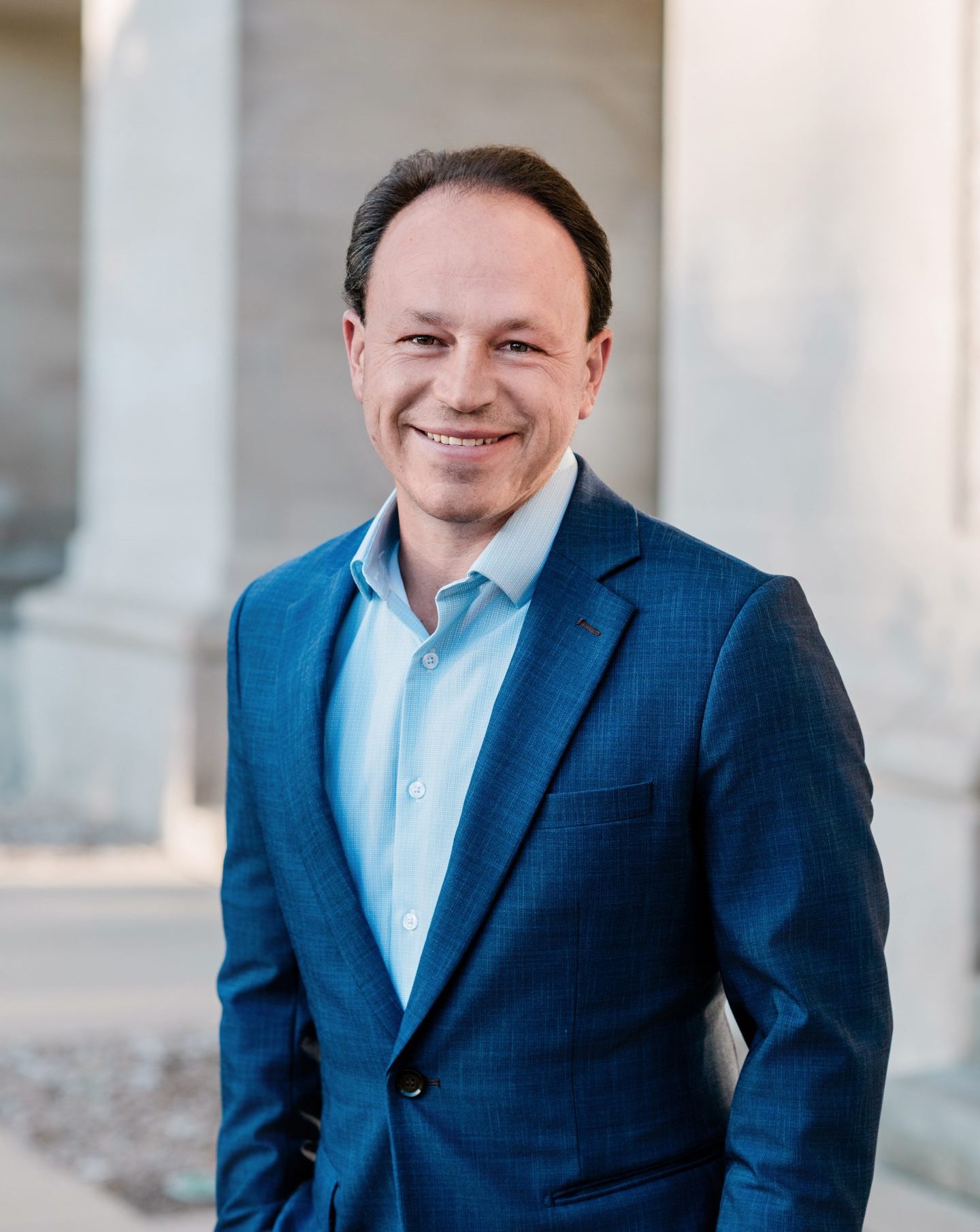 Matthew Grossman, Ph.D., is director of the Institute for Public Policy and Social Research and a political science professor at MSU. He serves as a senior fellow at the Niskanen Center and host of The Science of Politics podcast.
Grossman is co-owner of Hooked, a Lansing bookstore and community space. He has authored “The Not-So-Special Interests,” “Artists of the Possible,” “Asymmetric Politics,” “Red State Blues,” “How Social Science Got Better” and “Polarized by Degrees.”
Table Topic: Polarized by Degrees: Educational Polarization and the 2026 Election
Description: Grossman explores how Democrats have become the home of highly-educated citizens with progressive social views who prefer credentialed experts to make policy decisions, while Republicans have become the populist champions of voters without college degrees who increasingly distrust professionals and universities. This table will discuss the implications for the 2026 midterm elections and the reaction to the second Trump administration, both in Michigan and nationally.
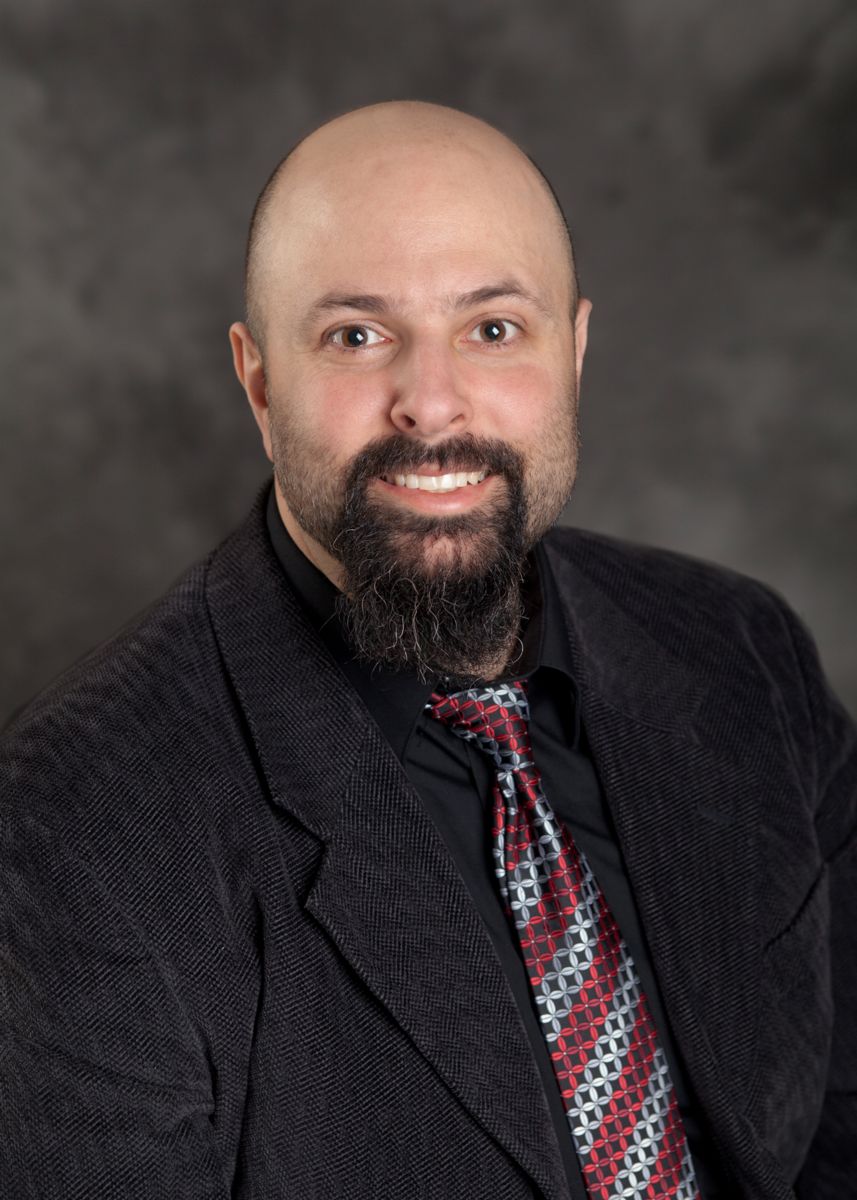 Albert Cohen, Ph.D., is the director of actuarial science as well as the graduate certificate in sports analytics at MSU.
He previously worked on problems in stochastic analysis, finance, and materials science at Carnegie Mellon University. Cohen’s current work focuses on the application of stochastic analysis to structural modeling problems in quantitative finance and sports analytics.
His publications include the expansion of the Moneyball approach to prediction in baseball and validating player salaries in soccer.
Table Topic: Risk and Sports Analytics
Description: The book “Moneyball” (2003), later made into a popular film (2011), showcased the burgeoning field of sports analytics. The plot focused on the innovative work of the Oakland A’s front office to build a roster using advanced statistical methods that quantify the impact of players. Since that time, the use of data analytics has become widespread in sports from hockey to volleyball.
This table will explore these applications and discuss a recent approach to the decision of pulling the goalie in hockey. Time permitting, the table will discuss other ideas in risk and sports analytics, including recent advances in the Moneyball approach to baseball.
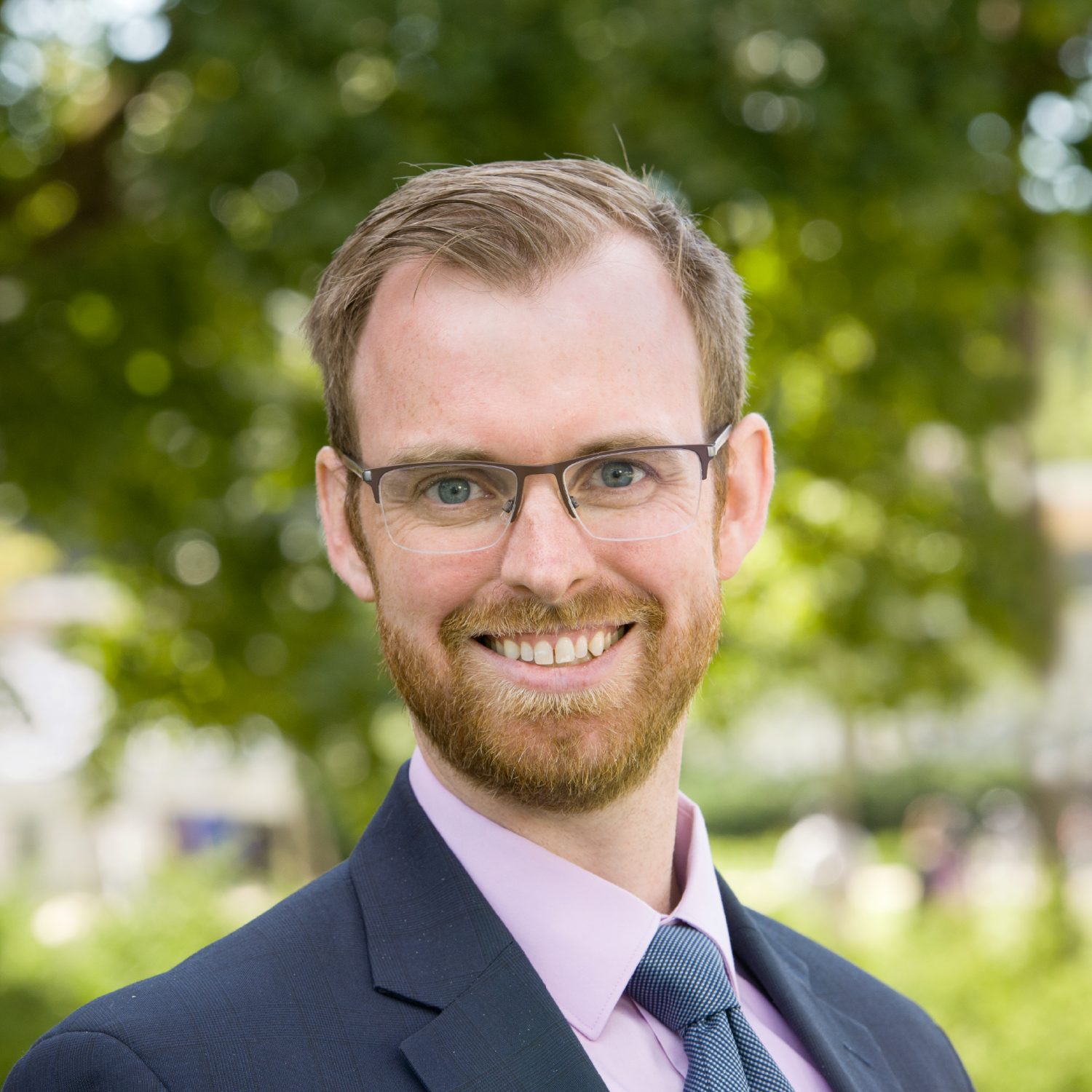 Jordan Cash, Ph.D., is an assistant professor of political theory and constitutional democracy in the James Madison College at MSU. His research focuses on American institutions and political thought. Cash is the author of two books: “The Isolated Presidency” (2024) and “Adding the Lone Star: John Tyler, Sam Houston, and the Annexation of Texas” (2024).
Prior to coming to MSU, he was a lecturer at Baylor University, the founder and director of the Zavala Program for Constitutional Studies, and a post-doctoral research fellow in the Program on Constitutionalism and Democracy at the University of Virginia.
Table Topic: The Scope of Presidential Power
Description: The scope of presidential power has been perhaps the defining political issue since the Constitution went into effect in 1789. This table will discuss the role the president plays in the constitutional system, what role the other branches have in interacting with the president, and the purpose of the presidency in the present-day.
Through this discussion, participants will be able to take a deeper dive into the issues of the day to examine the ideas, tensions, and conflicts which are driving our politics.
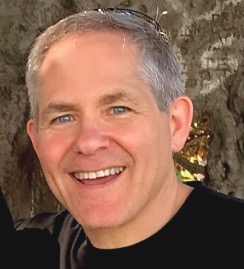 Marcos Dantus, Ph.D., is a scientist, inventor, and entrepreneur who develops ultrafast lasers that capture and control events in trillionths of a second. He has published more than 268 research papers, holds 37 patents, has started four companies, and has written a book, with work spanning molecular reactions, biomedical imaging, and remote detection of hazardous materials, supported by NSF, NIH, DARPA, and the U.S. Department of Energy.
Dantus is a fellow of the National Academy of Inventors, Optica, and the American Physical Society, and has received MSU’s Technology Transfer Achievement Award and the Ahmed Zewail Award in Ultrafast Science and Technology.
Table Topic: Imagine shrinking to the size of an atom and watching a reaction from the inside. What would surprise you most?
Description: Forty years ago, when Dantus was looking for a place to do his Ph.D., a professor told him his dream was to actually see a chemical bond break and to time that moment. Dantus was bold enough to say, “Then let me be the graduate student who builds the lab to make it possible.” In 1987, he did. He helped build a million-dollar laboratory to measure bond-breaking almost as if in slow motion, and he worked on many projects, including building an electron diffraction setup to watch molecular structures in motion. In 1992, he received the ACS Nobel Signature Award for the most impactful Ph.D. in chemistry, and that early work was part of the foundation for his advisor’s Nobel Prize in Chemistry in 1999. Since then, during his 33 years at MSU, Dantus has kept pushing these methods forward and applying them to many different reactions.
“Tonight isn’t a lecture. I want to hear from you. When you imagine a chemical reaction, what do you picture, and if you could watch any reaction at the molecular level, which one would you choose and why?”
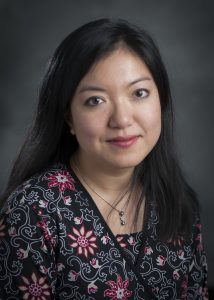
Felicia Wu, Ph.D., is the John A. Hannah Distinguished Professor of Food Safety, Toxicology, and Risk Assessment at Michigan State University; and immediate past-president of the Society for Risk Analysis. She works at the nexus of agriculture, food safety, and nutrition, to improve US and global human health. Wu serves on three World Health Organization committees to develop dietary guidelines and improve food safety, and is appointed by Governor Gretchen Whitmer as a commissioner of agriculture for the state of Michigan.
Table Topic: Whose Dietary Guidelines are Best for Health? U.S. vs. the World: RFK Jr. vs. World Health Organization
Description: The last two decades have seen tremendous gains in reducing hunger worldwide. Now, beyond simply providing enough calories, we aim to improve nutrition, both in the U.S. and around the world. The recently published 2026 U.S. Dietary Guidelines provide nutritional advice that is best suited for improving public health of women, girls, and the elderly, but some aspects are suboptimal for the average American male.
Applied on a global scale, such guidelines would vastly improve maternal and child health, but many cultural barriers exist. Somewhat controversially, agricultural biotechnology may fill immediate needs in such contexts.
Wu will discuss the history of and current U.S. Dietary Guidelines, describe her work in the current World Health Organization Food-Based Dietary Guidelines Committee, and how her time with USAID revealed enormous gender inequities in diet quality worldwide.
She will give a brief background on agricultural biotechnology and how it may both meet such challenges in a culturally sensitive way, while potentially imposing other cultural concerns – making the situation of optimally feeding the world a current wicked problem.