
By Sloane Barlow
Forty years ago, the Honors College launched the Professorial Assistantship program with 10 students and a goal to expand undergraduate research.
Today, the program creates opportunities for 365 first- and second-year students, and the Honors College is now a leader in undergraduate research.
The Professorial Assistantship (PA) program, housed within the Honors College, offers incoming Honors students a two-year paid research position with an MSU faculty member. In these positions, students may work in areas closely related to their major fields – or other areas of interest – to do important work in scholarly research or innovative teaching.
Mentorship: Holding ties to the PA program
The valuable experience of the PA program extends well beyond its two-year timeline. For Michaela TerAvest, she is still involved in the program nearly 20 years later as a mentor for current PA students.
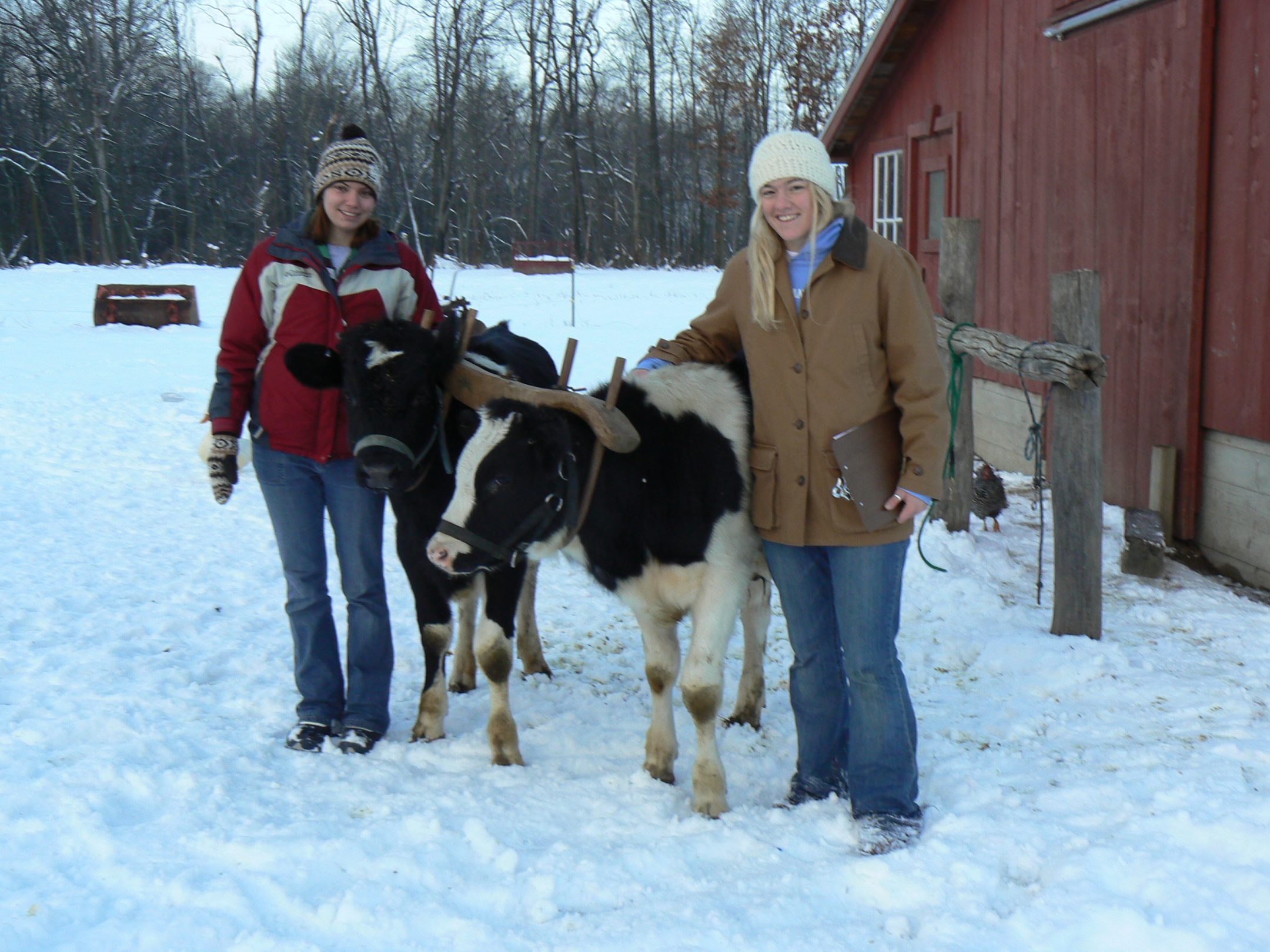
During her first two years on campus, TerAvest was a PA for Professor Beronda Montgomery in the College of Natural Science’s Biochemistry and Molecular Biology department. Today, TerAvest is an associate professor in the same college and department.
“I really valued the independence I had in my PA project,” TerAvest said. “So a big goal for me in mentoring PAs is to help them get up to speed quickly, then give them as much freedom as they are ready for in the lab.”
As a mentor, TerAvest helps PA students dive into their passion for biochemistry or, sometimes, find other opportunities as interests change and develop. With each mentoring experience, TerAvest finds joy giving back to the program that began her research journey at MSU.
On the other side of the story, Aaron Philip hopes to become a mentor in his field post-graduation.
Philip is a fourth-year Honors College student studying physics and advanced mathematics. During his first two years on campus, Philip worked as a PA at MSU’s Facility for Rare Isotope Beams.

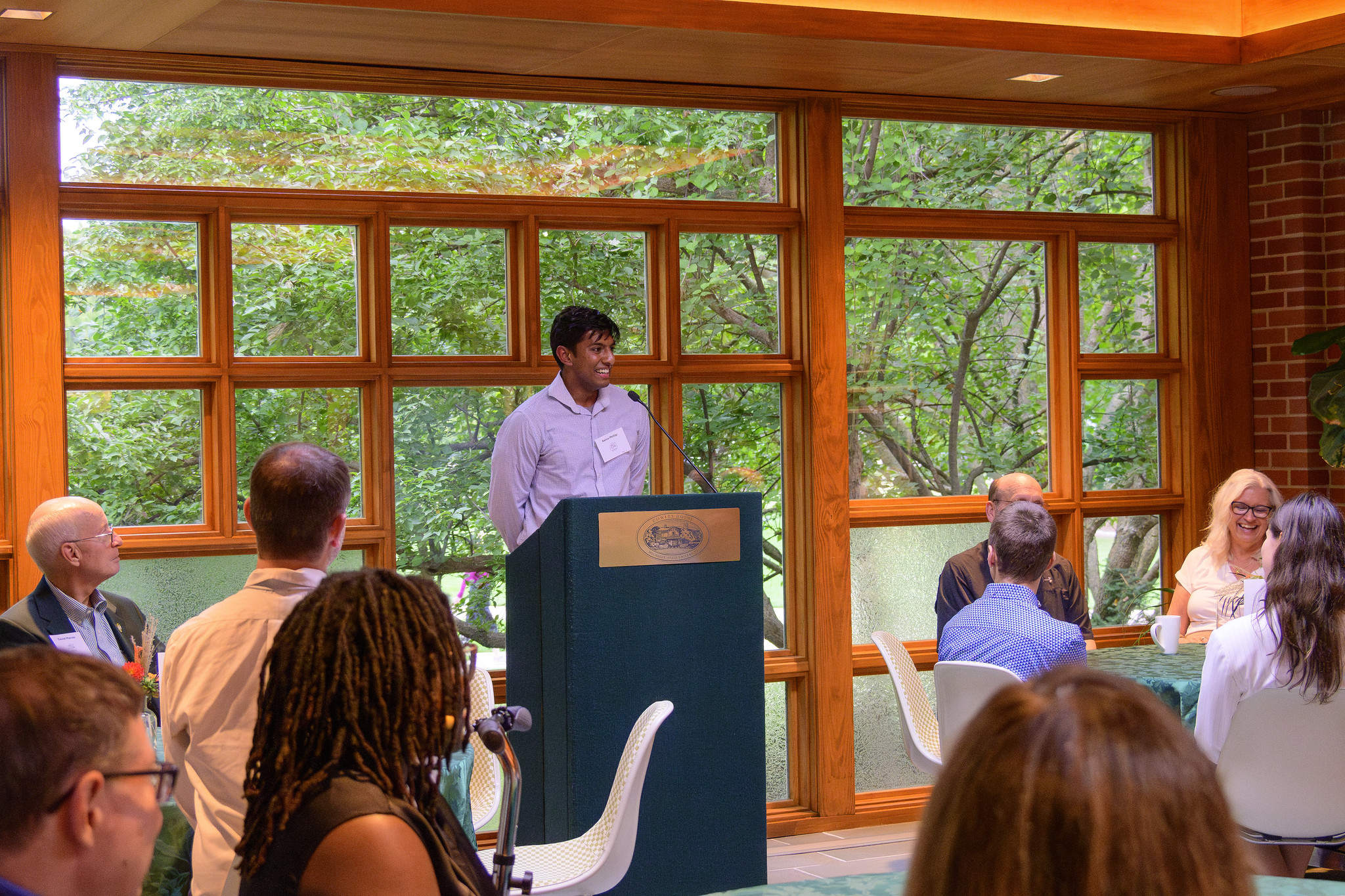
“The Honors College placed me in a PA in my freshman year where I was able to further my understanding of AI, learn how to be a scientist and collaborate with others, and identify many of the large-scale challenges that face microscopic physics,” Philip said.
The PA program opened several doors to Philip, including the opportunity to present at the International Conference on Machine Learning in Vienna, Austria, in which the Honors College helped support him through the Conference Travel Award. Philip was also named a Goldwater Scholar in 2024, securing $7,500 per year in undergraduate funding for his dedication to a career in research.
With all that the Honors College has meant to Philip and his undergraduate research experience, he hopes to give back in the future.
“I intend to pursue a Ph.D. in theoretical physics,” Philip said. “I will research, collaborate, and mentor at a university or national laboratory and address open physics problems using high-performance computing, applied mathematics, and AI.”
With hard work comes reward
A recent graduate has also held ties to the PA program through her field of research. Rachel Drobnak began her research journey in 2019 as a PA studying quinoa production in Peru and Bolivia, receiving a Schoenl Family Undergraduate Grant for Dire Needs Overseas for her work.
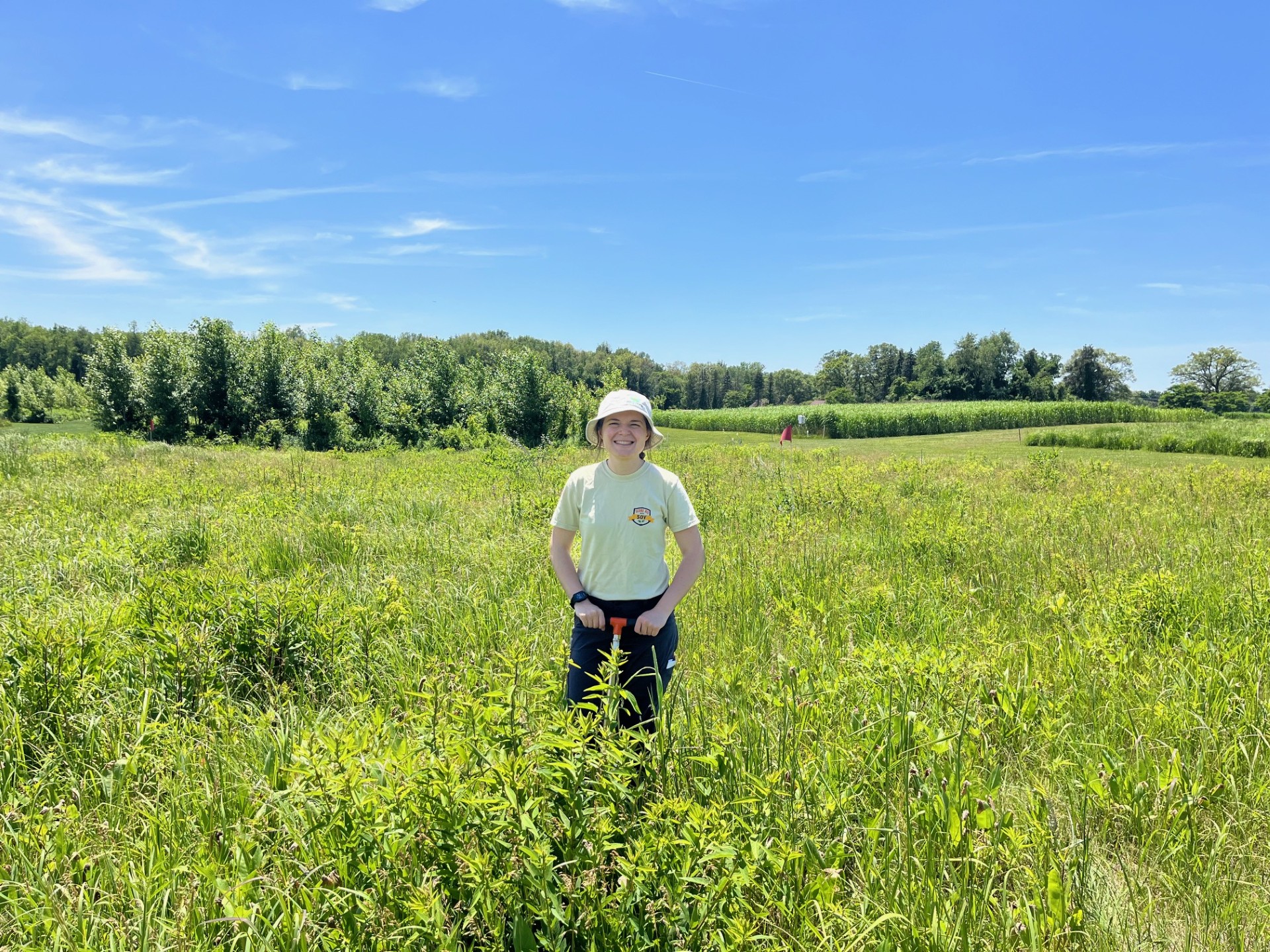
As a current doctoral student studying crop and soil sciences, Drobnak is researching the soil health impacts of prairie strips in field crop landscapes at the W.K. Kellogg Biological Station.
After graduating from the Honors College in 2023, Drobnak was named a National Science Foundation Graduate Research Fellow, fueling her continuation of research as a doctoral student.
Through one-on-one work with farmers, Drobnak hopes to help farmers understand the science and research side of farming, while also helping them find resources for seed, money, and equipment to execute these conservation practices.
“I’m trying to bridge that gap, both to support the farmer but also to support the land that they’re trying to produce food on, because I believe that it’s really important to do it in a way that is sustainable.” Drobnak said.
Similarly to Drobnak, College of Arts and Letters alumna Caroline Zackerman also received a prestigious award post-graduation.
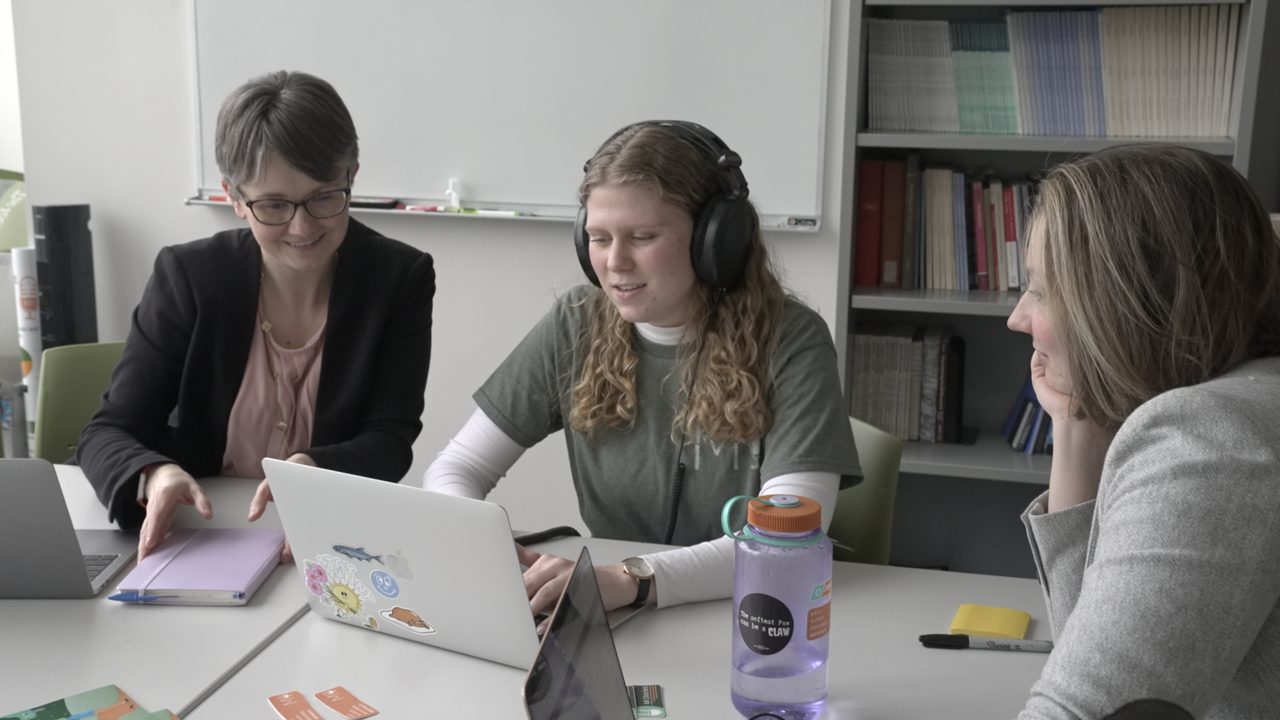
Zackerman graduated from the Honors College in 2024 with a bachelors in linguistics. She is currently in Madrid, Spain doing an English Teaching Assistantship.
Zackerman received the Fulbright U.S. Student Grant, which is part of the nation’s flagship international educational exchange program. She credits her work in the PA program for helping her experience now as a Fulbright Scholar abroad.
“My Fulbright experience has required me to push myself out of my comfort zone, be open to different perspectives, and quickly adapt to new environments,” Zackerman said. “I contribute much of my success in this role to my undergraduate research experience, where I first learned how to confidently navigate new situations.”
Zackerman plans to continue her passion for conducting research by pursuing a Ph.D. in linguistics at Northwestern University in 2026.
New generation continues program legacy
This fall the PA program welcomes approximately 195 incoming students, 50 of whom were offered PA positions after receiving full scholarships from the university.
One of these students, Alumni Distinguished Scholarship recipient Samantha Wagner, chose MSU specifically for its PA program.
“I chose MSU because of the opportunities the university offered me,” Wagner said. “The Professorial Assistantship program was a major part of my decision because I will be able to get involved in research as a freshman.”
For William Ford, a fellow Alumni Distinguished Scholar, it was the PA program that made MSU an easy choice.
“MSU has the most supportive and comprehensive undergraduate research program that I’ve found in my college search over the past year,” Ford said. “While I was looking for labs that I would be interested in joining in the fall, I found that MSU had the widest variety of active research that I was interested in.”
The growth and longevity of the PA program shows students’ abundant interest in making impactful contributions to their fields of study. From starting with just 10 incoming students in 1985 to nearly 195 incoming students today, the PA program provides the first step for students to engage in long-term research.
Questions about the PA program? Reach out to Justin Micomonaco, Ph.D., at micomona@msu.edu.