
History
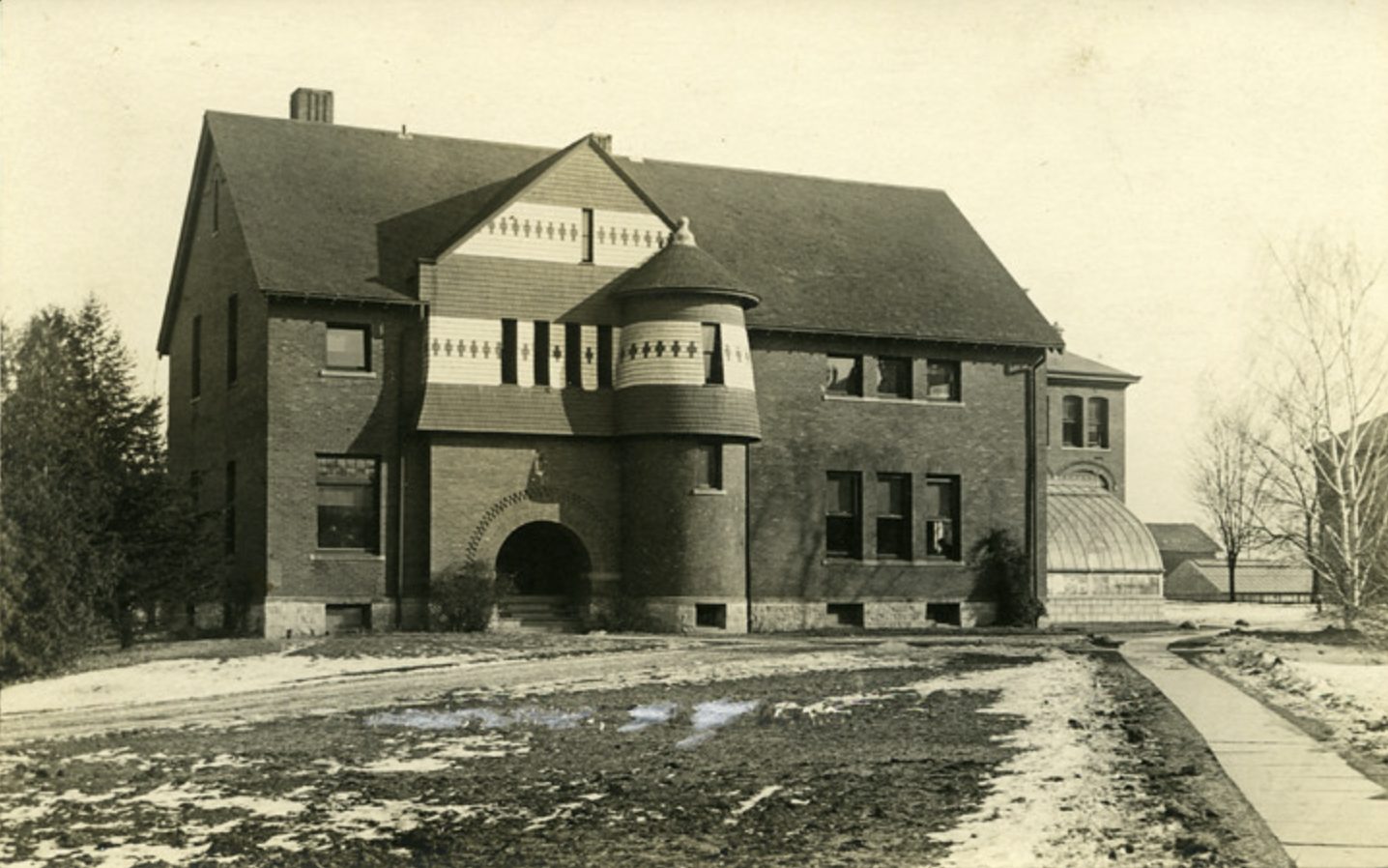
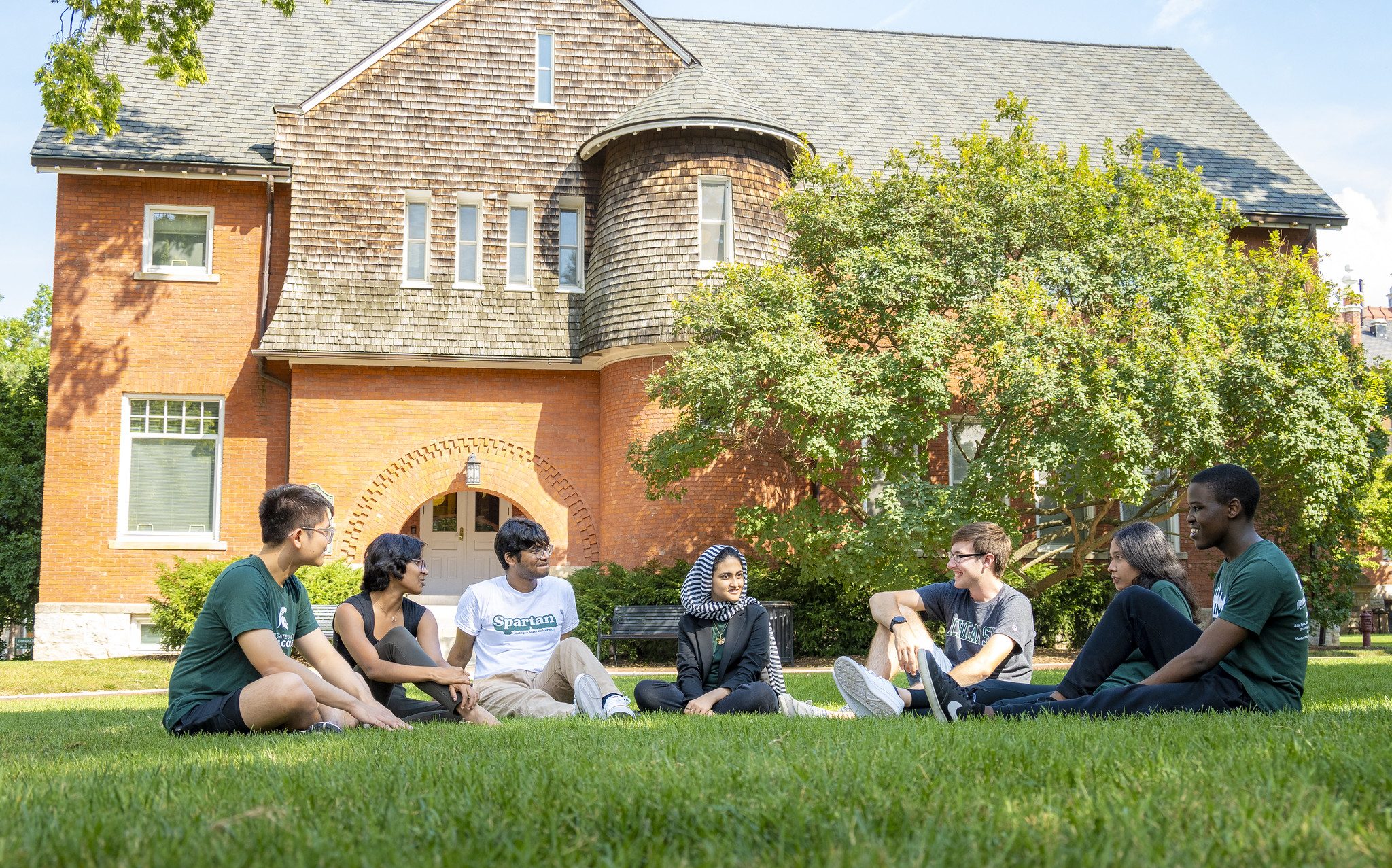
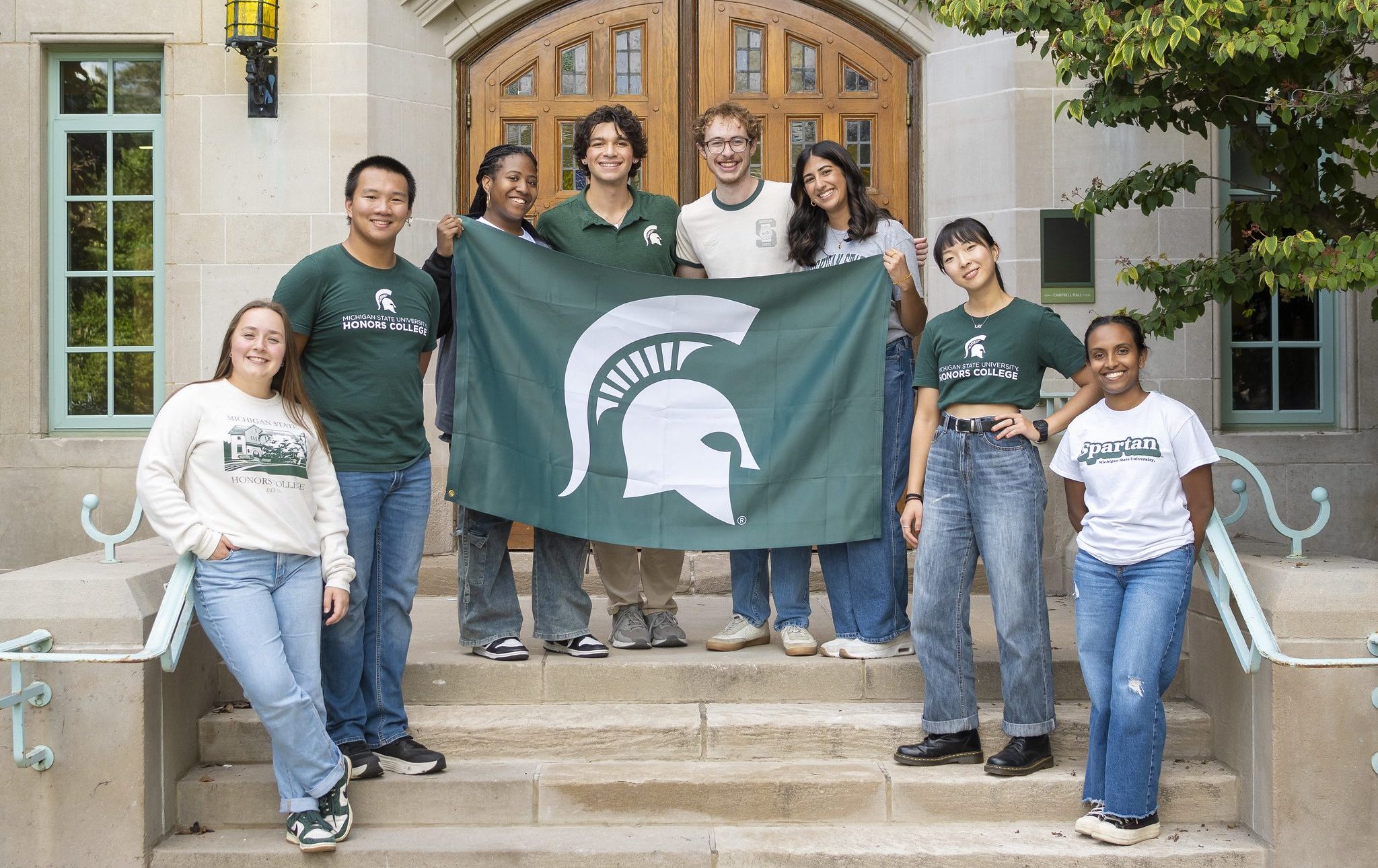
Established in 1956, the Honors College at Michigan State University is one of the oldest honors programs in the country.
President John Hannah, Vice President Thomas Hamilton, and faculty recognized that a single, standard course of study was unlikely to serve all types of students well. The Honors College was proposed to help create different academic approaches and opportunities for what was then called “the very able student.”
Key objectives were to:
- Allow students to be challenged by the appropriate level of academic work, specific to each student.
- Meet the needs of each student by providing substantial academic flexibility.
Moments in Time
November 2026 will mark 70 years of the Honors College at Michigan State University. Click on the years below for a moment in time at the Honors College.
 Mable and William Porteous on MSU's campus
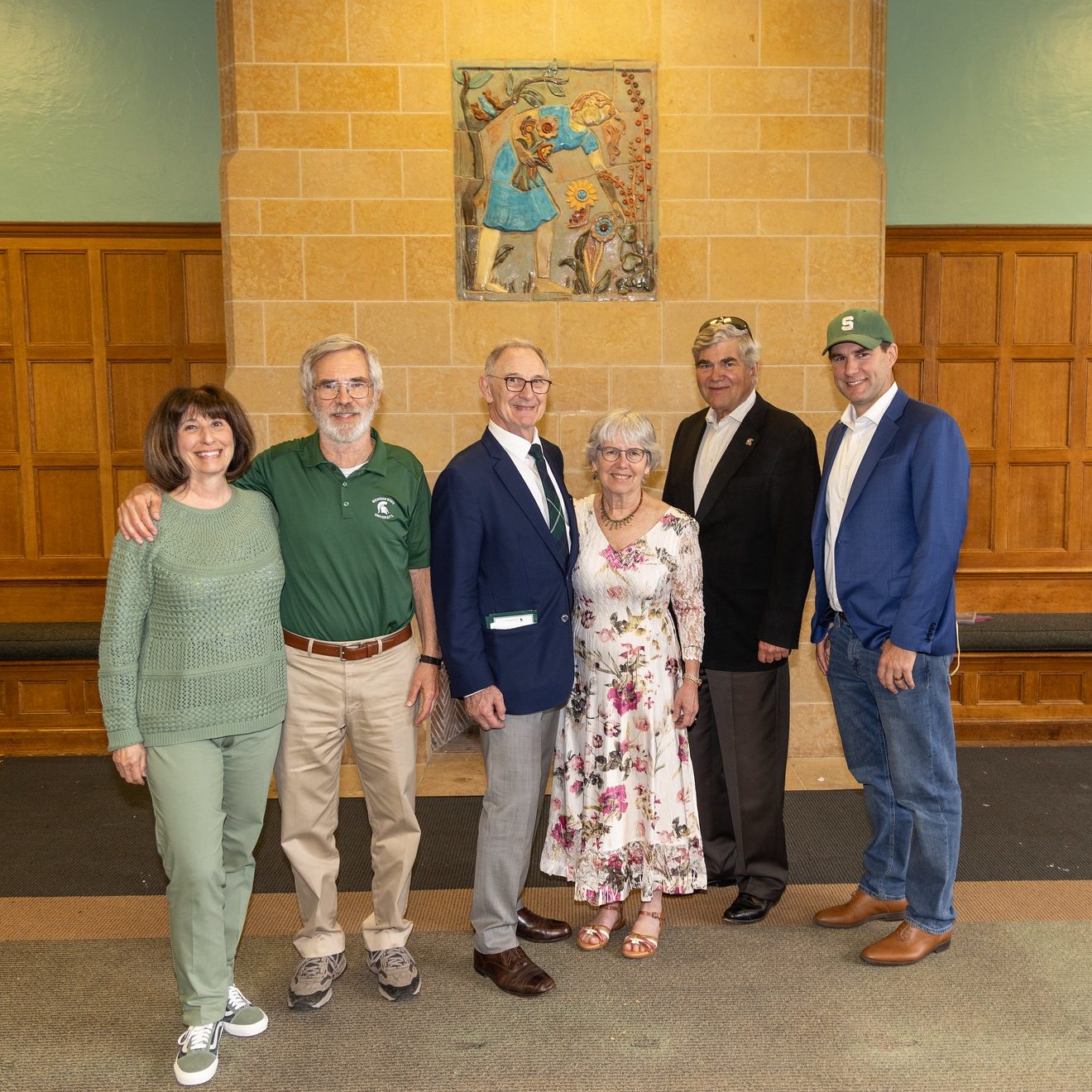 Porteous and Hamilton families in the Grand Hall
Mabel and William Porteous met while working together in Campbell Hall. Their children, together with their spouses and other family members, went on to name a space in Campbell Hall, the first Honors College living-learning community, in 2025.
- The Honors College was established at Michigan State University in November 1956. From 1957 to 1958, there was the first class of Honors students.
- The Alumni Distinguished Scholarship Competition began in 1955, offering incoming students comprehensive scholarships to MSU.
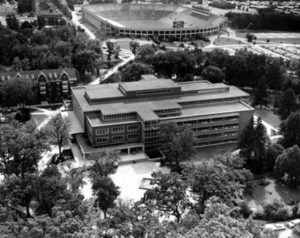
The Honors College moved its office from MSU Libraries to what was then-named Eustace Hall in 1968.
- In 1973, the Academic Council formally approved the admission of entering freshman students, a practice that began as a trial program for the Honors College in 1970.
- In 1980, the first Honors housing floor was established in Bryan Hall, Brody Neighborhood.
- In the same year, the Professorial Assistantship (PA) Program was established to offer a structured and paid scholarly opportunity in any discipline for exceptional first-year and second-year Honors students.
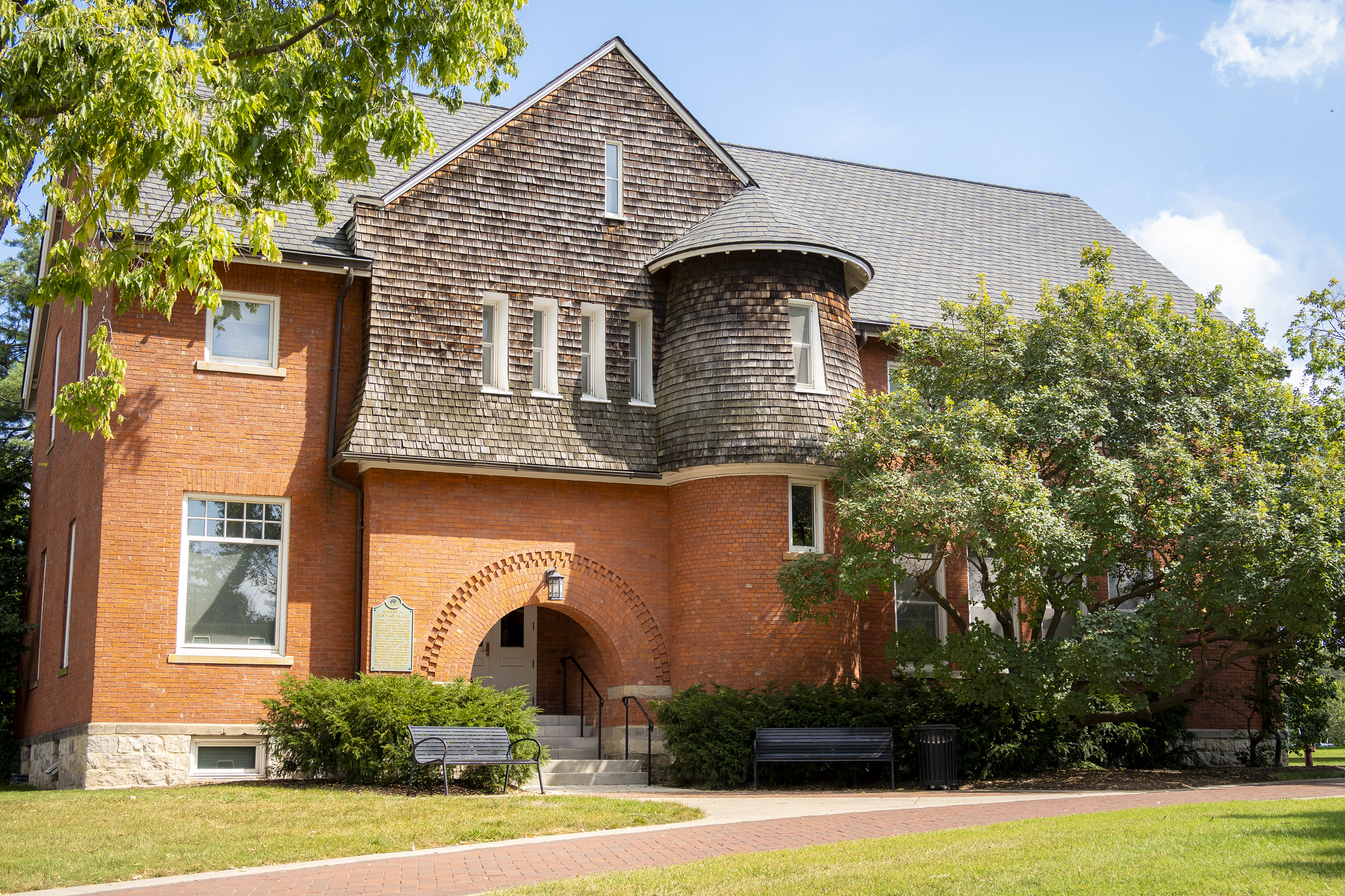
- In 1999, Eustace Hall was renovated with a donation from alumnus Jeffrey Cole. The building was re-named what it is known as today: Eustace-Cole Hall.
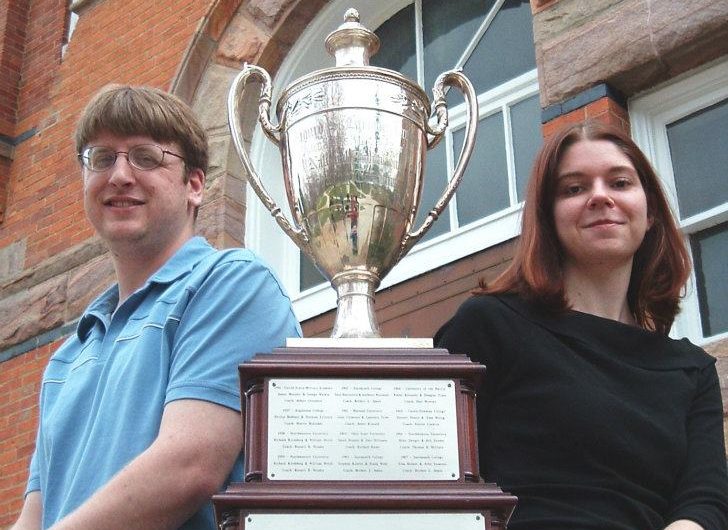
- In the same year, the MSU Debate Program became part of the Honors College, going on to win three national debate tournaments in the 2000s.
- The Academic Scholars Program is established in the Honors College in 2000.
-
The title of academic administrator for the Honors College changed from director to dean in 2005.
- In 2000, the Alumni Distinguished Scholarship Competition expanded to include University Distinguished Scholarships, selected by the executive director of admissions and the dean of the Honors College from a pool of all MSU applicants based on high school achievements, programs, and finalist interviews.


- The Honors College establishes its first academic journal publishing student work, the Red Cedar Undergraduate Research Journal (ReCUR) in 2010.
- Honors Research Scholars Program began in 2016, providing early research opportunities to Honors College students.
- HC IMPACT Week of Service began in 2017, providing a way for incoming Honors College freshmen to become acquainted with community-engaged learning before they even start their first classes at MSU
- In 2018, Honors Coffee Toffee ice cream flavor is introduced for limited time at the MSU Dairy Store.
- In 2024, the Alumni Distinguished Scholarship Competition expanded to include the Joseph R. and Sarah L. Williams Scholarship, inducting the inaugural class of Williams scholars.
- Campbell Hall, the first Honors College living-learning community, opened in August 2025.
- In 2025, Honors College Smart Cookie ice cream flavor is introduced for limited time at the MSU Dairy Store
Development
The report adopted by the Council and Senate identified the Honors College “as the agency responsible for working with the existing colleges to provide a special educational experience for … students of superior ability and achievement.”
From the beginning, it was intended that the Honors College be university-wide. MSU undergraduates in any academic major could become members of the Honors College.
Over the years, a system evolved so that Honors classes taught by MSU faculty are offered through the various academic colleges and departments at MSU, and Honors College students work with faculty on research throughout the university.
Benefits for students
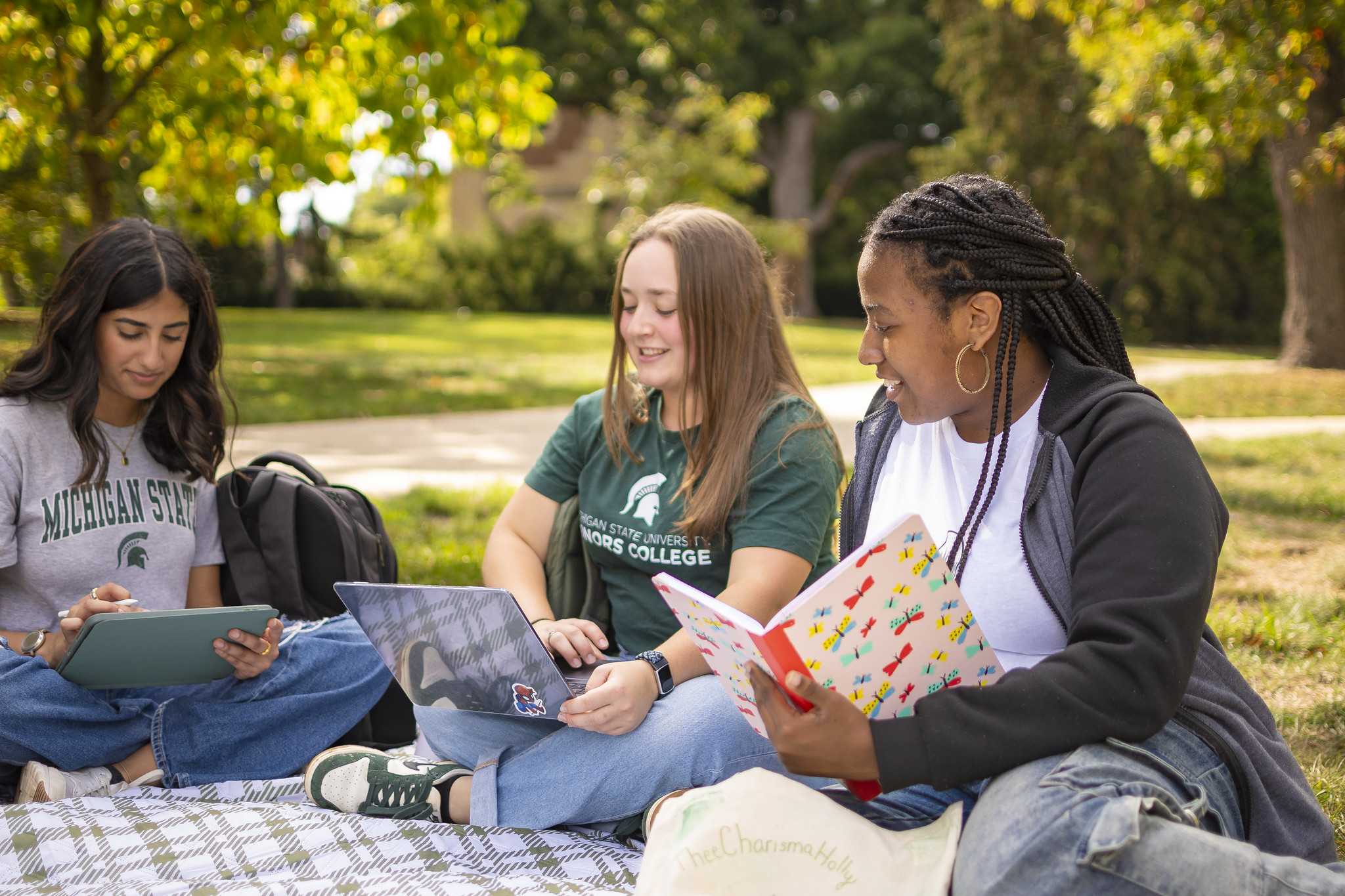
A major hallmark of the Honors College program is the academic flexibility it affords to students. The original Honors College legislation created the foundation for each student, in cooperation with their faculty academic advisor, to craft a personalized academic program that both challenged the student and met all major requirements.
Today, in addition to the core Honors program for high-achieving undergraduates, the Honors College also includes the Academic Scholars Program, the Distinguished Student Awards Office, and the MSU Debate Program. Each year, the Honors College serves approximately 4,000 members – about eight percent of undergraduates total – in addition to roughly 400 students involved in the Academic Scholars Program.
Chronology of Honors College Leadership
- Stanley Idzerda, Director, 1957-1965
- John Wilson, Director, 1965-1968
- William Kelly, Director, 1968-1969
- Frank Blackington, Director, 1969-1974
- Paul Verg, Acting Director, 1974-1975
- James Pickering, Director, 1975-1981
- Donald Lammers, Director, 1981-1996
- Ronald Fisher, Director/Dean, 1996-2007
- Cynthia Jackson-Elmoore, Dean, 2007-2020
- Matthew Zierler, Interim Dean, 2020-2021
- Christopher Long, Dean, 2021-2024
- Glenn Chambers, Interim Dean, 2024-2025, Dean, 2025-present